-

Eco-friendly gym in Soweto -

Eco-friendly gym in Soweto -
Eco-friendly gym in Soweto -

Eco-friendly gym in Soweto

WORDS & PHOTOS: Michelle Marais
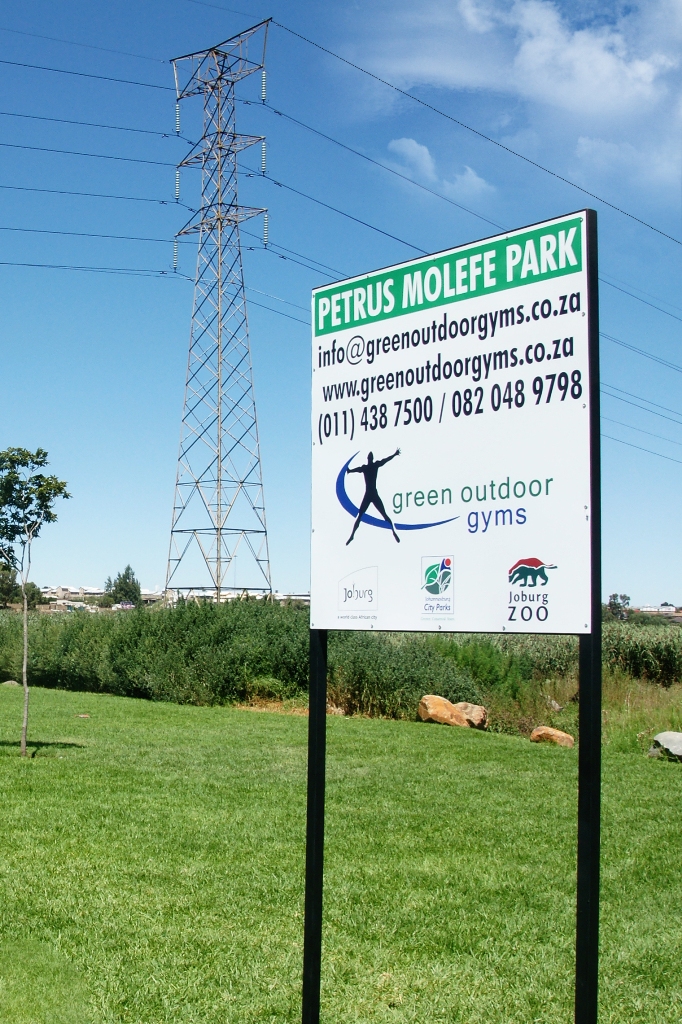
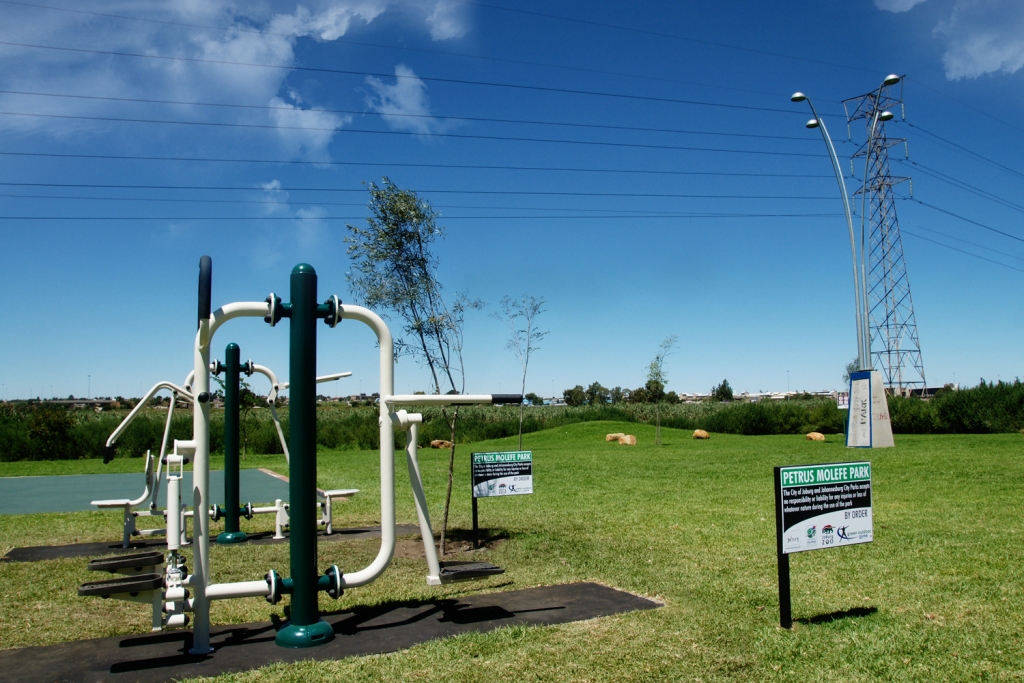
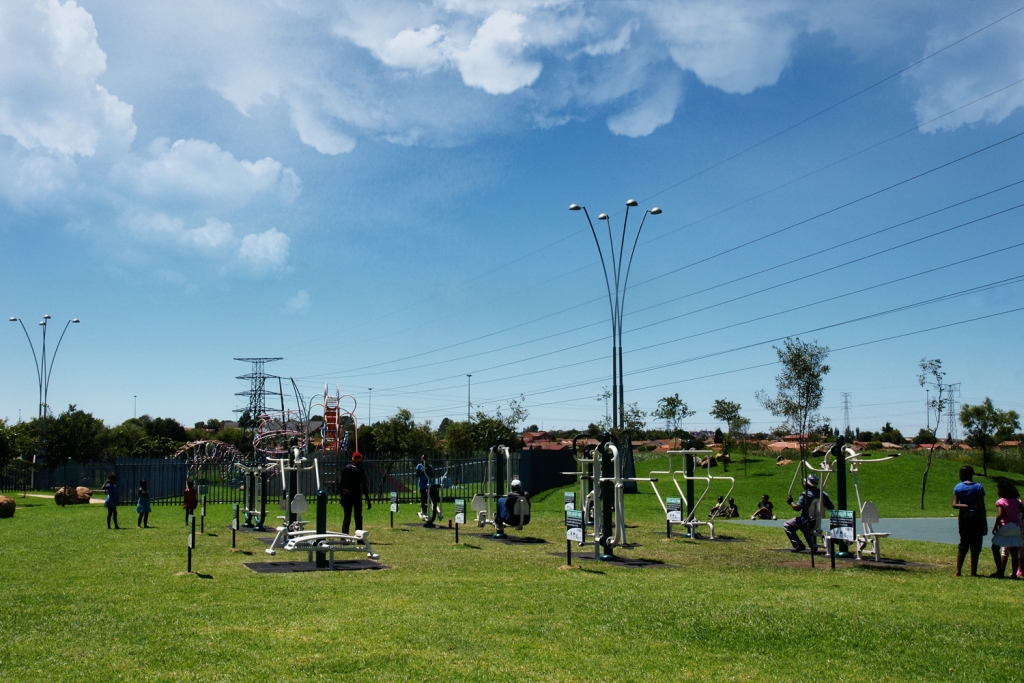
Inspired by startling statistics that place South Africa in the running to become the world’s most obese country, Johannesburg City Parks partnered with Green Outdoor Gyms in a quest to encourage an active lifestyle. The R260 000 project was launched earlier this month in the form of an eco-friendly gym at Petrus Molefe Eco Park, Soweto.
Being the first of its kind in the area, the outdoor gym will serve as a trial while plans are put into place for more to be rolled out across the country. In an attempt to motivate the residents of Dlamini, the facility will be made available to the community at no cost. Consisting of 10 double-sided pieces of equipment made from robust material, the gym is said to be able to withstand the harsh South African weather conditions. The treadmills, rowing machines, exercise bikes, weights and cross trainers are suitable for people of all ages and various fitness levels, and as a bonus the Biokinetics Association of South Africa will visit the venture once a month to ensure users maximize their workouts.
The 49M initiative – a response to the country’s constrained power system – welcomed the installation of the eco-friendly gym. While it is beneficial to the health of the residents of Dlamini, its innovative and simplistic design enables all the equipment to function manually, giving it the green thumbs up. Tim Hogins, managing director of Green Outdoor Gyms, echoes this: “The equipment is designed in such a way that it uses body weight to operate instead of electricity. It is therefore a green solution suitable for even the most remote and or rural areas.”
Along with playing a pivotal role in enhancing the lives of the residents, another aim was to build social cohesion. On the day the ribbon was cut, Chris Vondo, member of the mayoral committee for community development, urged the people of Dlamini to take ownership of the new installation and to protect the equipment from vandals. The message was well received. As for upkeep, Hogins stated that maintenance and security will be financed, enabling users to enjoy the gym without any concern.
It’s heartening to see design being applied to the benefit of communities and addressing specific social problems in an innovative and relatively cost-effective way. As Cape Town’s tenure as World Design Capital 2014 approaches, we hope to see more projects adopting a similar mindset implemented throughout the country.