-

Bright Young Thing: Agata Karolina Niemkiewicz -
Bright Young Thing: Agata Karolina Niemkiewicz -
Bright Young Thing: Agata Karolina Niemkiewicz -
Bright Young Thing: Agata Karolina Niemkiewicz -

Bright Young Thing: Agata Karolina Niemkiewicz -

Bright Young Thing: Agata Karolina Niemkiewicz -

Bright Young Thing: Agata Karolina Niemkiewicz -

Bright Young Thing: Agata Karolina Niemkiewicz
WORDS: Daniel Scheffler
The former Cape ‘Townie’ has ditched her hometown for Holland and has found grace, adventure and a whole lot of design. She speaks about her love for South Africa, her new ventures and what exactly to do at this year’s Milan Furniture Fair.
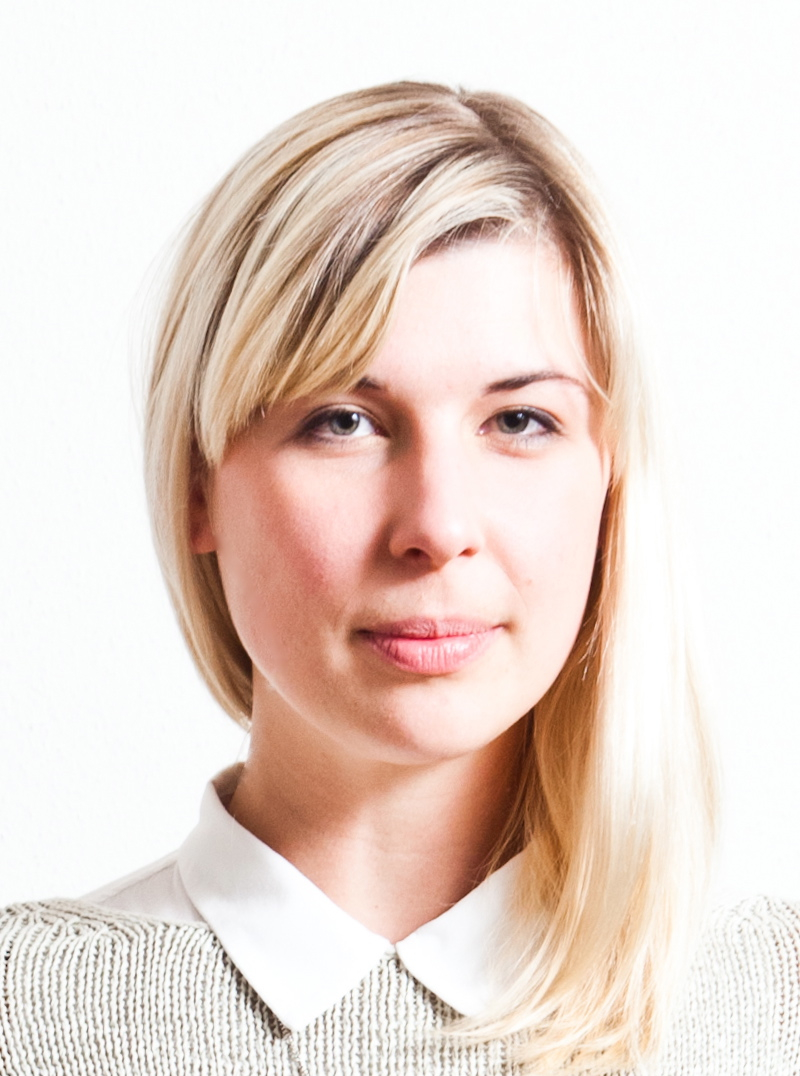
After graduating from Vega Cape Town and completing a Masters in Design from the Design Academy Eindhoven, the bottle blonde opened her own studio, Studio Agata Karolina, in Holland. Situated in an old mental hospital in the north of the city of Eindhoven, she talks about its interesting and bizarre qualities (the only remnants of the old facility are the nurses assistance buttons in the rooms, and the ‘in-session’ lights outside the doors). She shares the building with a long list of other designers, and confesses that there is always something going on. Although they are not all directly linked or in constant interaction, there are always people to bounce ideas off, learn new methods and trade secrets.
“It’s a wonderful existence, to get lost in a place where your dreams turn to reality,” says Agata. “I couldn’t imagine doing anything else.”
VISI: Tell me about your roots
I was born in Cape Town in 1986, to two Polish immigrant parents. My upbringing was a mix of two distinctly different cultures: Polish and South African. I couldn’t speak English until half way through my first year at kindergarten. Growing up in South Africa was a gift. My parents taught me to look first and see later, to feel before making assumptions, to be strong in my beliefs and to be open to others. Experiencing the fall of Apartheid changed my whole life before I even knew it; I was old enough to understand what was happening and what it meant, but young enough not to have assumptions. The day Mandela was voted into presidency made me really understand the power of equality, understanding and respect. I wouldn’t be who I am today if I hadn’t grown up there. It is a place that that teaches you to truly see different perspectives and respect other cultures as equally as your own, which is a really important in the work I do. My parents refer to our family and friends as ‘Afro-Poles’; we’re not really one or the other. They couldn’t be more right, and I love that.
How do you feel about South African design now that you’re working mostly abroad?
On my last visit to Cape Town I was astounded by growth that has taken place in the field of design. Cape Town and its people have whole-heartedly embraced this design/art movement, and it is no surprise Cape Town was voted Design Capital for 2014! I believe more of a dialogue needs to be established locally. Why are things being created they way they are? Where do the influences come from, and how are they communicated to a foreign market? These are questions which I feel are intricate to creating strong designs. These are the very experiences I, and every other designer I know, had to go through, and I’m still learning. I think the more South African designers have the opportunity to connect with global designers and marketplaces, the stronger a local player will become in the global design scene. However South African designers are making a big noise with their work. They are loud and proud of what they do and the country they come from. I’m more than certain that we’ll be more recognised in the near future by the global community as a strong and vigorous design influence.
Tell me about what you do as a designer. Your craft, your tools, your narrative.
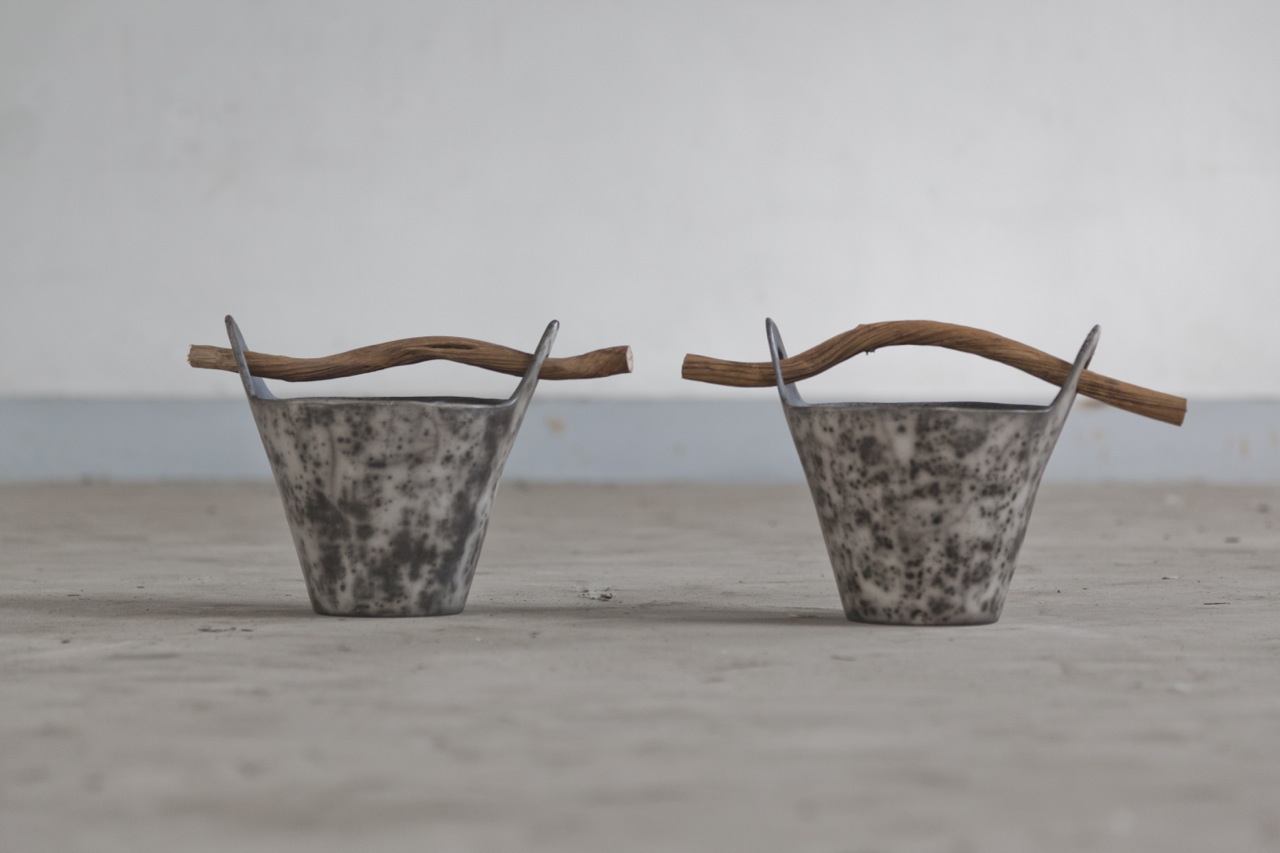
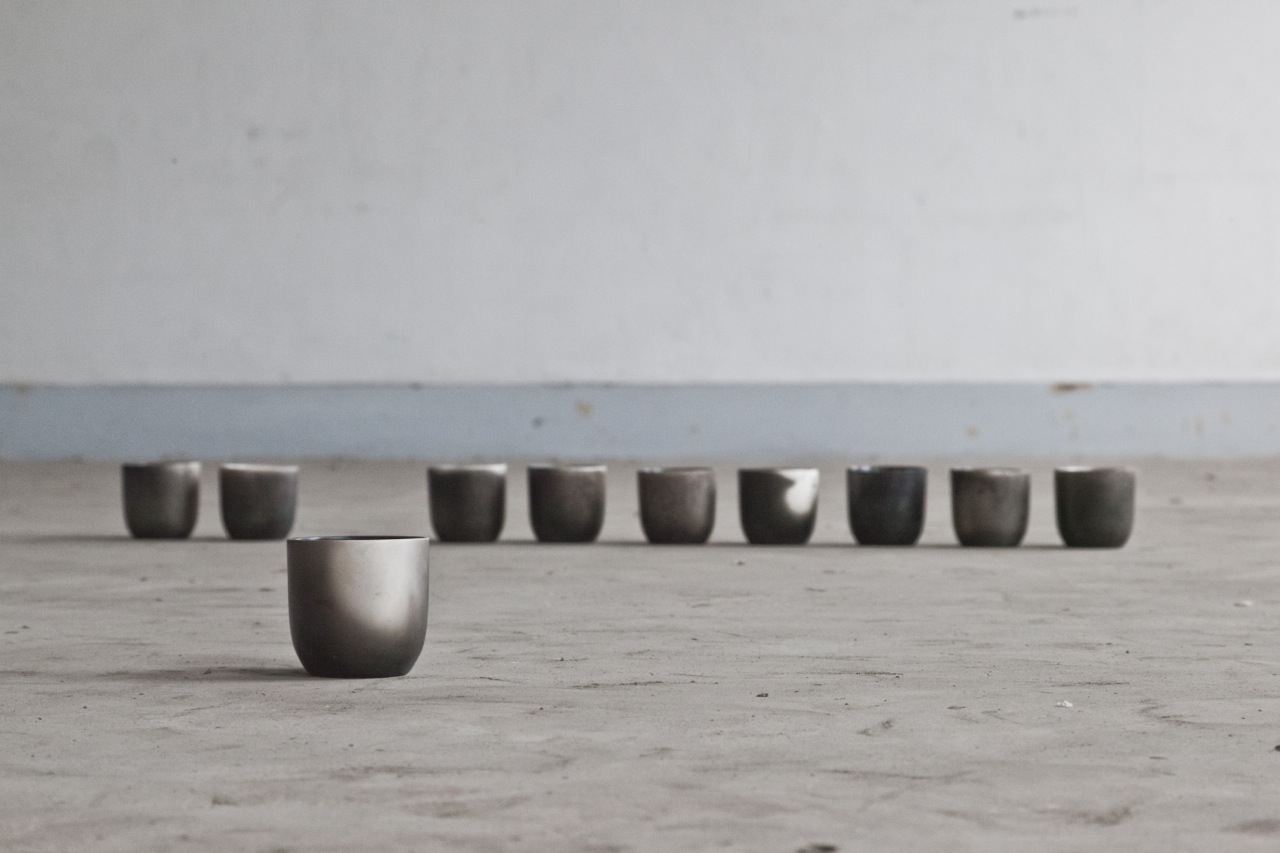
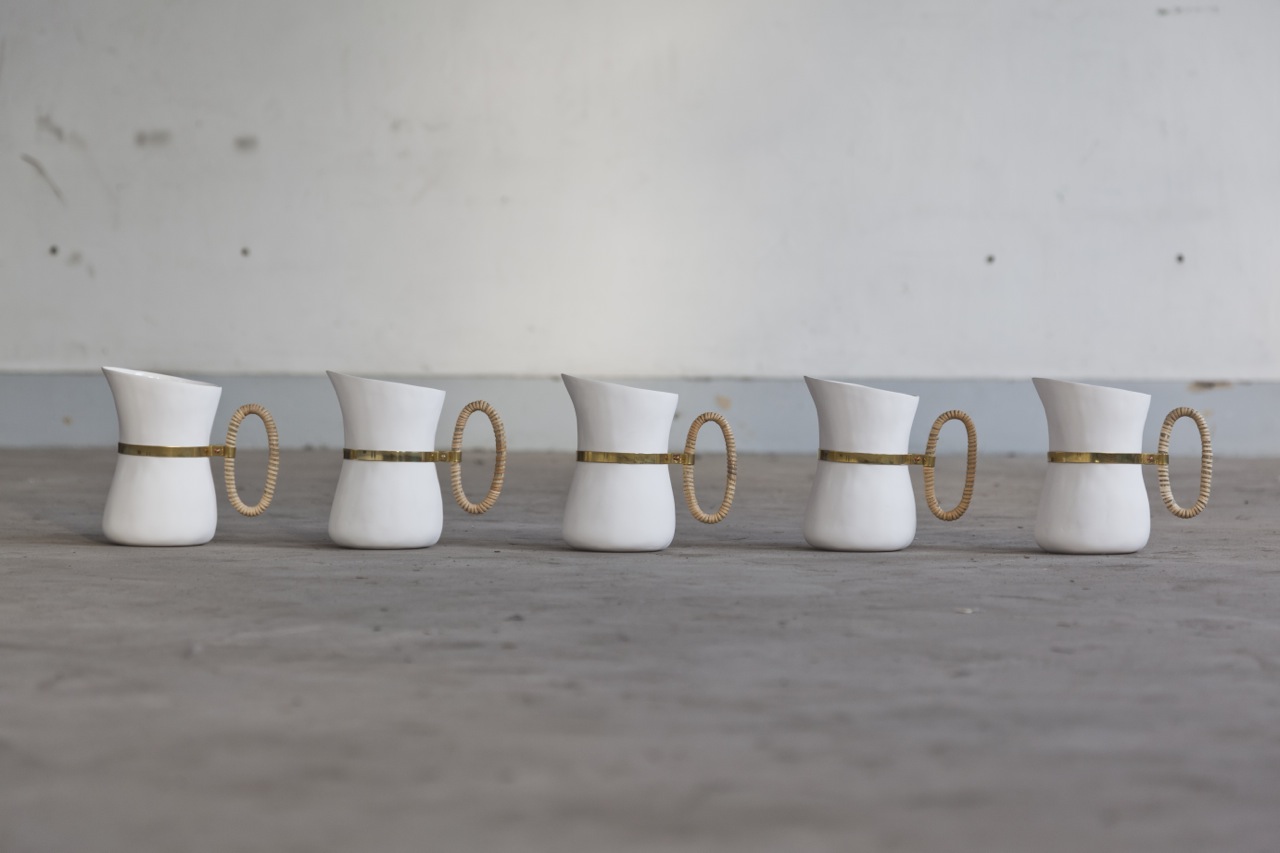
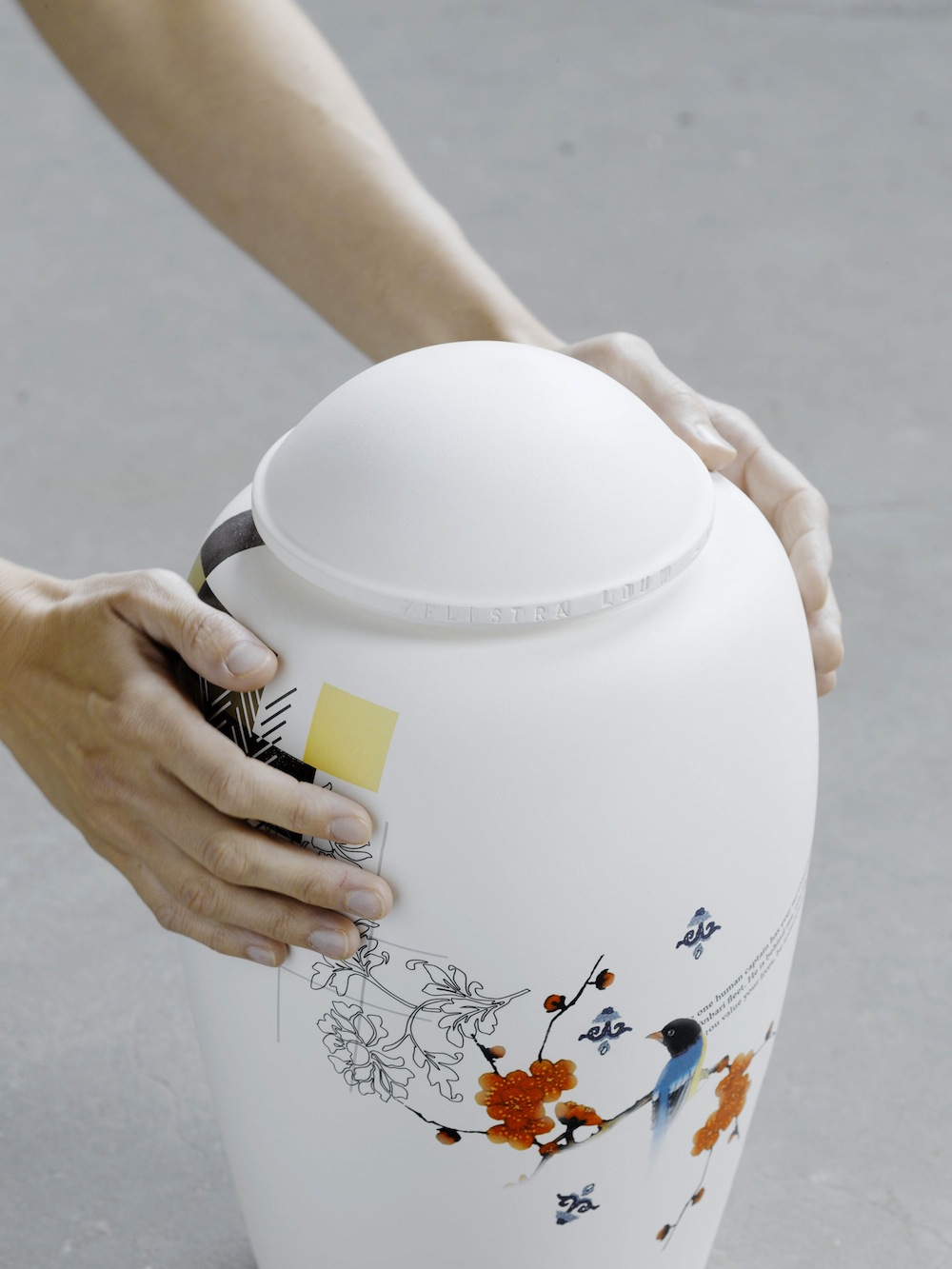
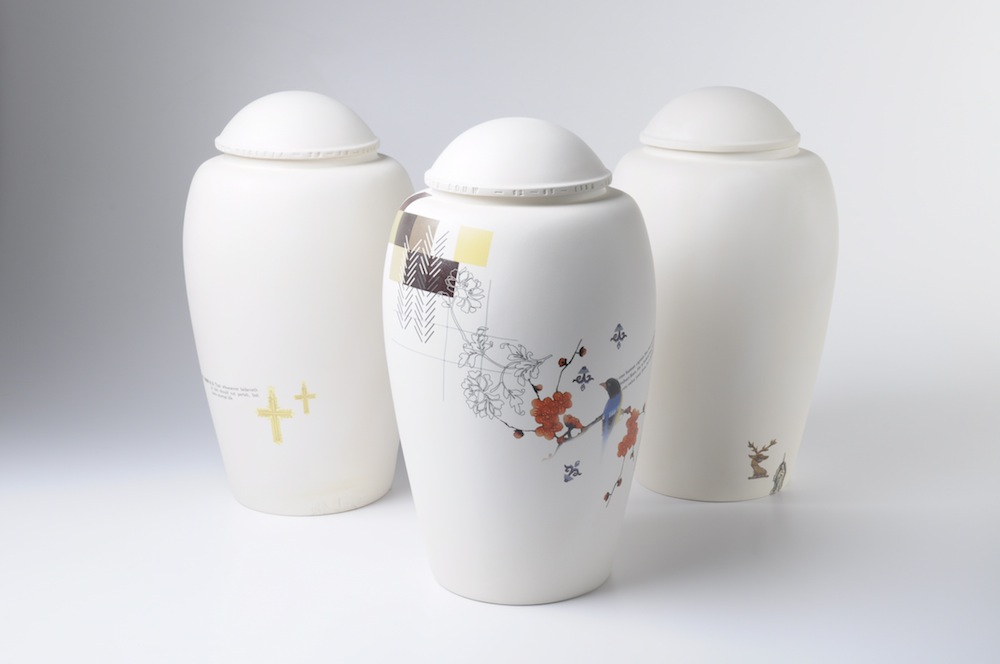
My work is about using design as a cultural carrier. I believe that objects carry stories and experiences, some times in the most unlikely of forms. The work I produce touches relevant issues such as the role of design to establish coherent systems, a critical approach to user and emotional experience and the significance of objects as a cultural carrier. Through my work I try to give a different perspective on issues and on the objects themselves. My work deals with the significance of identity, history and the future, connecting these three points in such a way that allows growth and movement while allowing reflection. Not all my work is physical objects. There are times where technology holds a more relevant hand in creating solutions then objects. This is the fun part of my discipline, I do not let myself be limited by materials or my skills; there are always people to work with and learn from. Making new connections between disciplines and fields is what makes it all worthwhile.
How does it differ working in Cape Town and working abroad?
In Cape Town I was in a completely different field of work than I am now, but still I am a designer and do what I believe in, just as I did before. I think as a designer in South Africa you still have a lot more freedom in your work. You are not competing against as many designers as you are here – the market is not as saturated. You are able to really be yourself through your work, which is a beautiful thing. Here things are a lot harder. Going to a great school, constantly exhibiting and making is not enough. Here you are forced to very quickly admit to your strengths and weaknesses. You need to be convicted in what you do, but not blind. In Europe if you want to be a designer and make it on your own, you need to live and breathe your work. After I graduated last year, I worked seven days a week, a minimum of 10 hours a day for five months. It sounds crazy, but I know I wouldn’t be where I am now if I hadn’t made that choice. Going back home to Cape Town reminded me to look up from time to time. I believe there should be a balance.
So what is next on the cards?
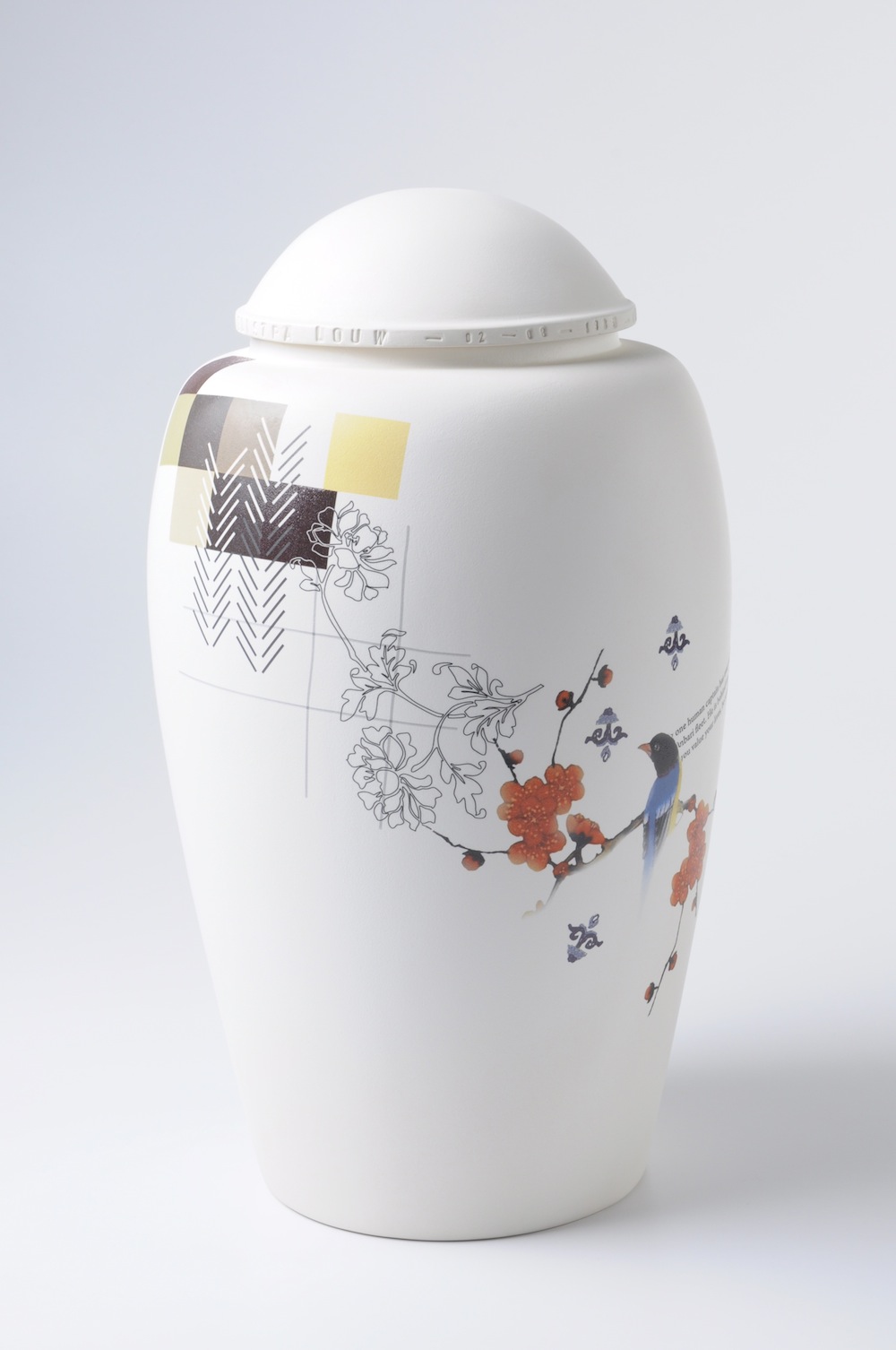
This year is a really exciting one for me. Currently I am working with the city of Eindhoven in the Netherlands to realise my thesis project ‘Enduring Personal Portraits’. I’m also busy doing a project with my partner, Dana Cannam, for this year’s Milan Design Week. We’ll be exhibiting at the Via Laghetto in Milan this April, in an exhibition called ‘The Front Room: Colour and Geometry’. In June I’m off to Taiwan to work with the National Taiwan Craft Research and Development Institute to explore new relationships between man and nature through designed objects. October is a busy month, I will be participating in an exhibition about immigrant Polish designers, at the Åodz Design Festival in the city of Åodz, Poland. There are also plans for the Dutch Design Week in October here in The Netherlands, but that is still in the making, and then some other projects will come up too.
Where do you find inspiration?
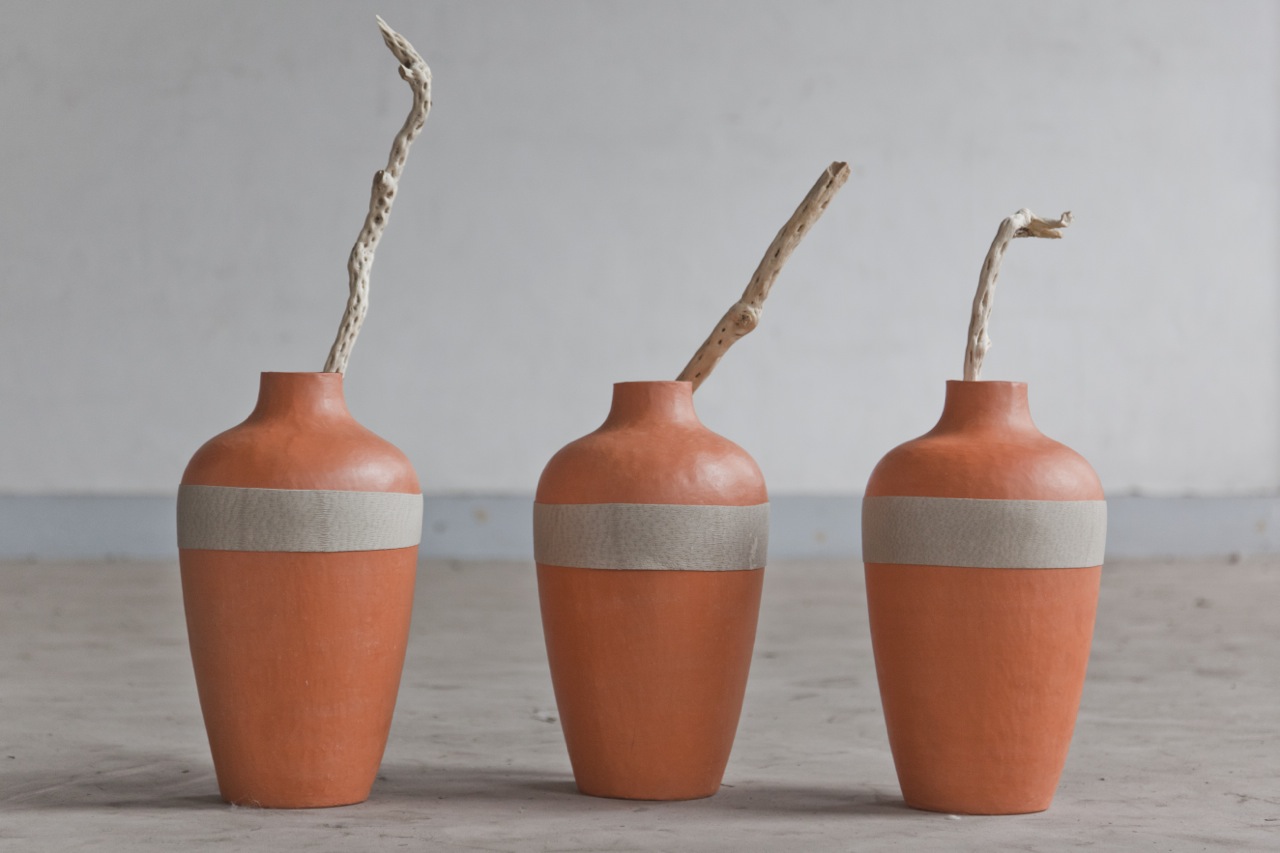
The most bizarre things fuel my work. Last year I was at a culture festival just outside of Düsseldorf in Germany. Some sticks I bought there inspired the design of a project that had been sitting in my head for months. The everyday and people’s behaviour are the main inspirations to my work. I work in many varied mediums – making it hard to define specific inspirations. I believe every piece of inspiration you are looking for is right in front of you, if you can’t see it, you’re not meant to.
What do you read?
I don’t really have the luxury of consistency. My day never ends at the same time, so it is hard to get through a book. I read a lot of magazines such as Monocle, Apartamento and Elephant. I read design books in parts when I need them, Jean Baudrillard; The System of Objects, Deyan Sudjic: The Language of Things and Fredrik Torisson: Berlin – Matter of Memory – these are my favourites. My holiday/summer reads recently consisted of revisiting Jane Austen’s Pride and Prejudice – still amazing. My most prized books are my leather bound, gold leaf finished Lewis Carroll collection (with original illustrations), and my Yotam Ottolenghi ‘Plenty’ cook book.
What are your favourite websites?
My Internet inspiration comes is varied forms, food photography, recipes, trend tablets, plants, nature shots etc. Here are some of my best searching grounds.
Are you an artist or a designer?
Designer, for sure. Art is the ultimate discipline because everything comes from a personal necessity and authenticity. At some point I considered myself on the path to becoming an artist, but these days I create work that provides a solution. My work calls for reflection of a different kind.
Tell me about the Milan Fair and what to do in Milan.
The design week is on from 17-22 April. It fabulously fills the streets of Milan with so much design; it could put you into cardiac arrest. The best places to go are Venture Lambrate, a big industrial area that houses 90% of all the very conceptual new design, Kiki & Joost, Maarten Baas, Z33, Unpolished, The Other Hemisphere, Scholten & Baijings, RCA Graduation Show and Designers block. Another amazing area, and my personal favourite, is the Spazio Rosana Orlandi. Of course her gallery/store/garden/cafe is incredible too, and adds to her entire image. Nendo will surely be showing in close vicinity, as will Dutch Invertuals – Wendy always puts together a stunning show. To top off this great list, there is the area by the Duomo Cathedral where I will be exhibiting – the very centre of Milan. Victor & Hun are our neighbours, and there are some surprises lined up for the show, including the open store day on the Saturday. Other than that there is the Zona Tortona. It’s a bit commercial, but sometimes you can find something there. The Satellite has all high production pieces but there is also a section dedicated to new technology – really interesting to see. Amongst all the brioche, glasses of Apperoll Spritz, apertivos and of course openings, you’ll need a vacation after the Milan Salone.
Track Agata down at: www.agatakarolina.com
Follow her on Twitter: Agata_Karolina