-

Bartering is back -
Bartering is back -
Bartering is back -

Bartering is back -

Bartering is back -

Bartering is back -
Bartering is back


WORDS Georgia Chennells PHOTOS Casey Pratt from PhotoCase Photography
Collaborative consumption – the shift in consumer values from owning things to accessing them – is one of Time magazine’s “10 Ideas That Will Change the World”. We talk to Lauren Wallet who runs A Good Exchange in Durban, based on this concept.
At the Green Building Council of South Africa’s convention held in Cape Town last year Rachel Botsman, a spokesperson for the Collaborative Consumption movement, spoke of this new economic model where technology is harnessed to facilitate sharing.
Named by Time magazine as one of the “10 Ideas That Will Change the World” in 2010, collaborative consumption describes the shift in consumer values from owning things to accessing them. The concept is that by bartering, lending, swapping and sharing, a more fulfilling and sustainable quality of life is experienced: less money changes hands, goods are more sustainably utilised, and social networks are strengthened, among other things.
While bartering may be an age-old practice, using technology allows this exchange to go beyond previous geographical limitations and also include vast networks of participants. Couchsurfing and Zipcar are some recent examples of this international business model.
Locally, the concept is taking root in the creative community via Lauren Wallet, who met with Rachel last year during her visit to South Africa. After interviewing Rachel and attending the conference masterclass, Lauren was thrilled to receive support from the Collaborative Consumption Facebook group when promoting her own Collaborative Consumption-based event here in South Africa.
A Good Exchange was launched in November 2012: This South African platform promotes sharing in the creative industries through technology. Two online exchanges have taken place thus far, and the first live exchange was held in Durban recently.
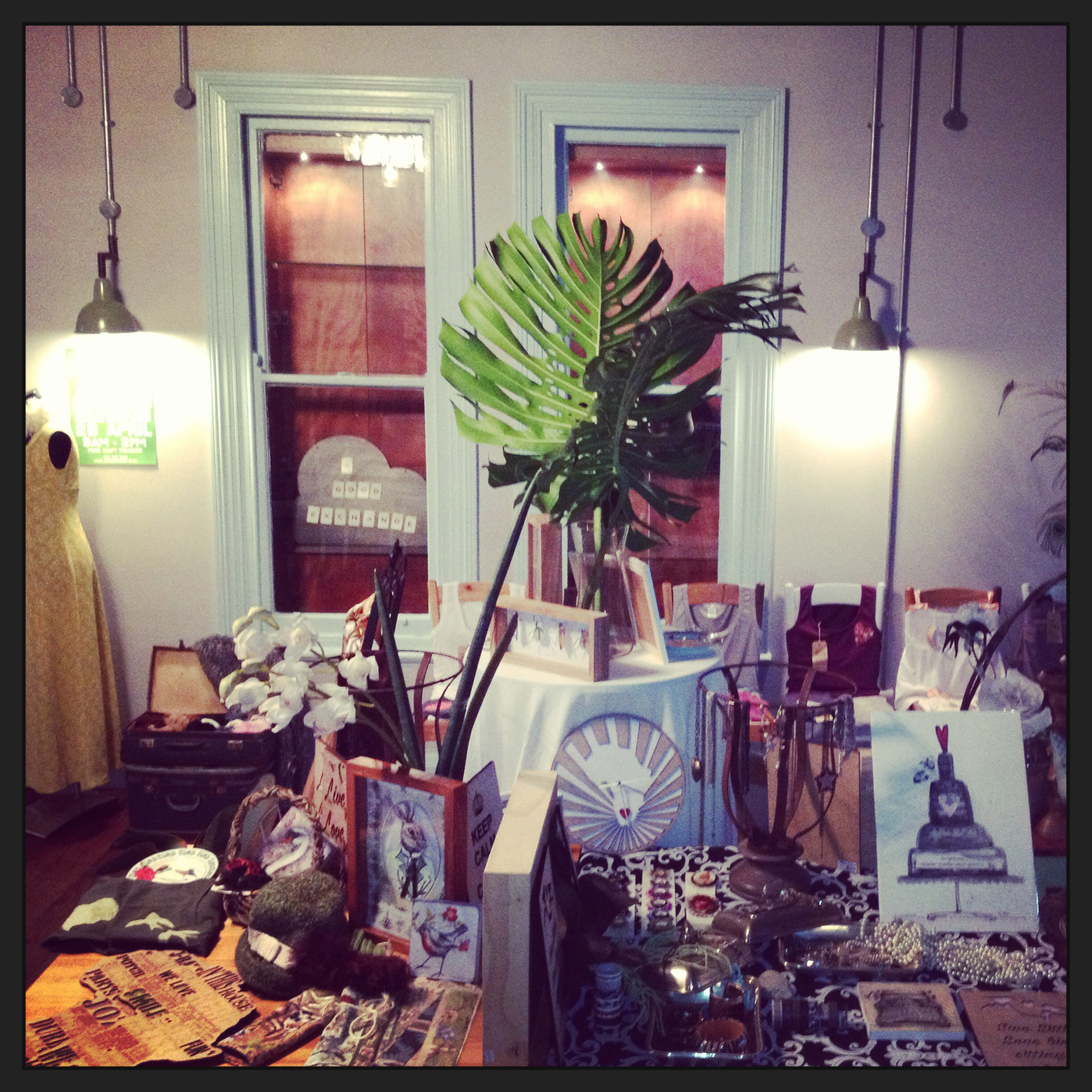
Curated and facilitated by Lauren and her business partner, Terry Angelo, the event was held at the Upstairs on Florida Road and included participation from suppliers of products and services from the local creative industry.
“We kept it small and niche to start with. We picked some of our favourite creatives and then styled and facilitated the exchange,” says Lauren. Some of the product offerings included small items of furniture, home decor, art, vintage items and clothing. Services such as photography, creative consulting and business card printing were also on offer.
“It works as follows: All product or service providers bring goods to the value of X and then have X to spend on other participants’ offerings.” Bartering, effectively, but facilitated to allow it to happen simultaneously and en masse.
“The main focus of A Good Exchange is online, but the live event in Durban was a fun way to explain the concept. We are also expanding to Cape Town and Joburg, and will eventually be open to trade anywhere in South Africa,” Lauren says.
Jess Binns, who runs Hector and Bailey, a Durban interior design and upcycling business, attended and participated with her offering of a table and smaller decor items.
“As a creative interested in local design and supporting others, bartering makes sense when you are going to be spending money on those items anyway,” she says. “It was also good fun having a glass of wine and be able to mingle with other designers who are in the same boat!”
Find out how you can get involved in events or online at www.agoodexchange.net or find AGoodExchange on Facebook.