-

Real spaces: Unknown Union -

Real spaces: Unknown Union -
Real spaces: Unknown Union -
Real spaces: Unknown Union -
Real spaces: Unknown Union -
Real spaces: Unknown Union -
Real spaces: Unknown Union -
Real spaces: Unknown Union -
Real spaces: Unknown Union -
Real spaces: Unknown Union -
Real spaces: Unknown Union -
Real spaces: Unknown Union
WORDS: Remy Raitt PHOTOS: Fay Jackson
It’s not just the clothing and apparel in Unknown Union on Kloof Street that exudes urban edge – the entire store makes a statement about living life in a world where your personal style helps define who you are.
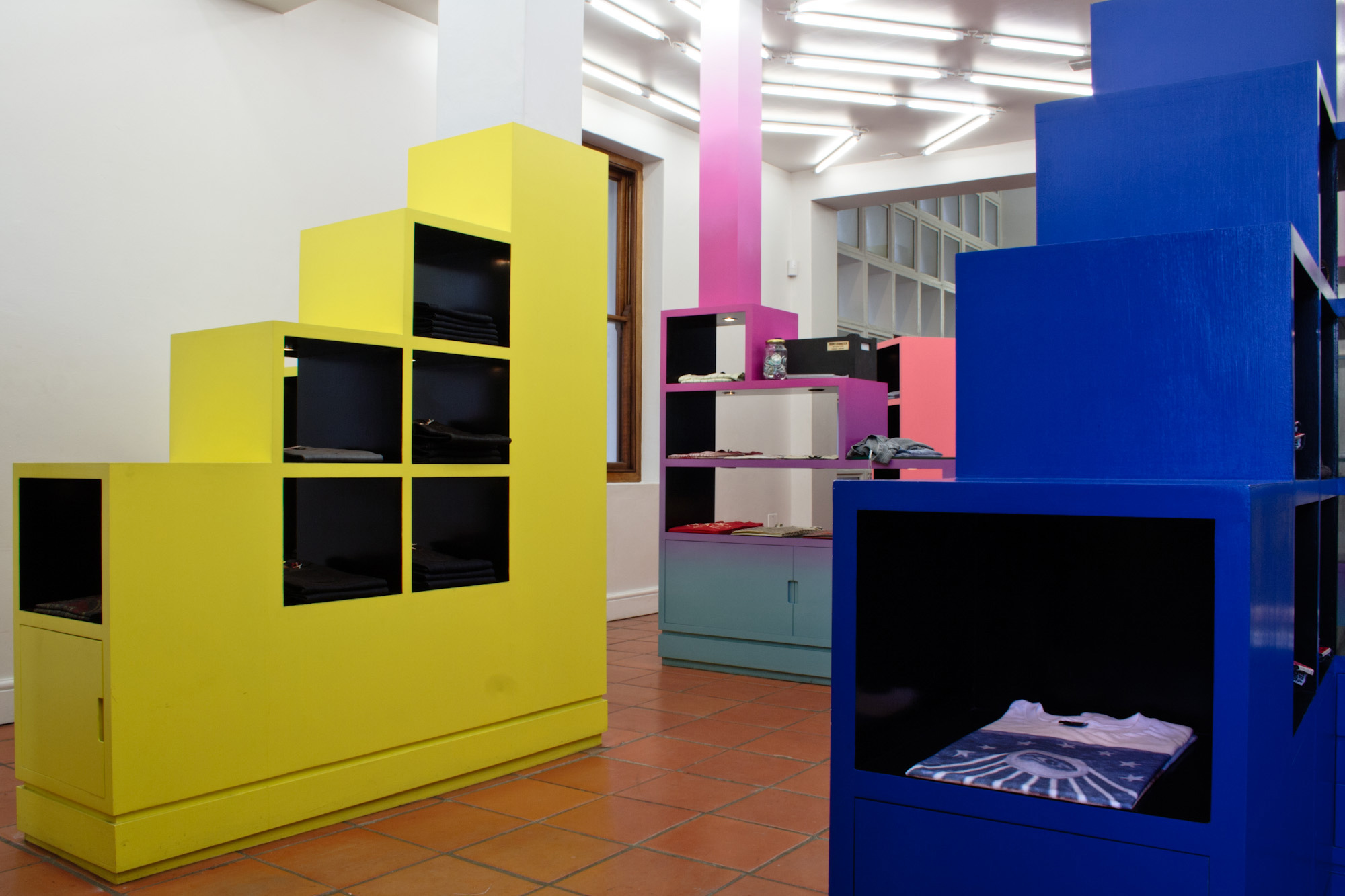
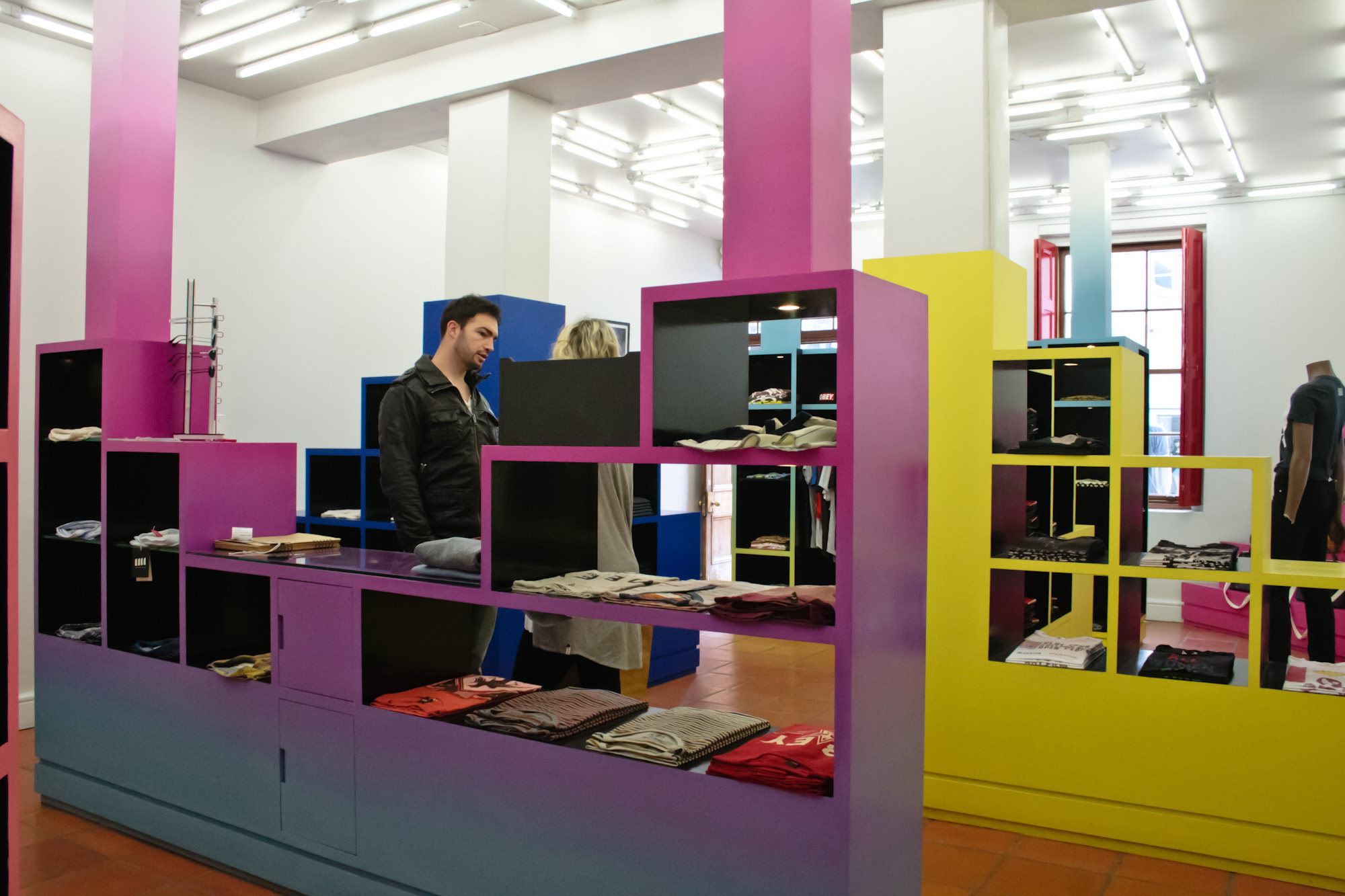
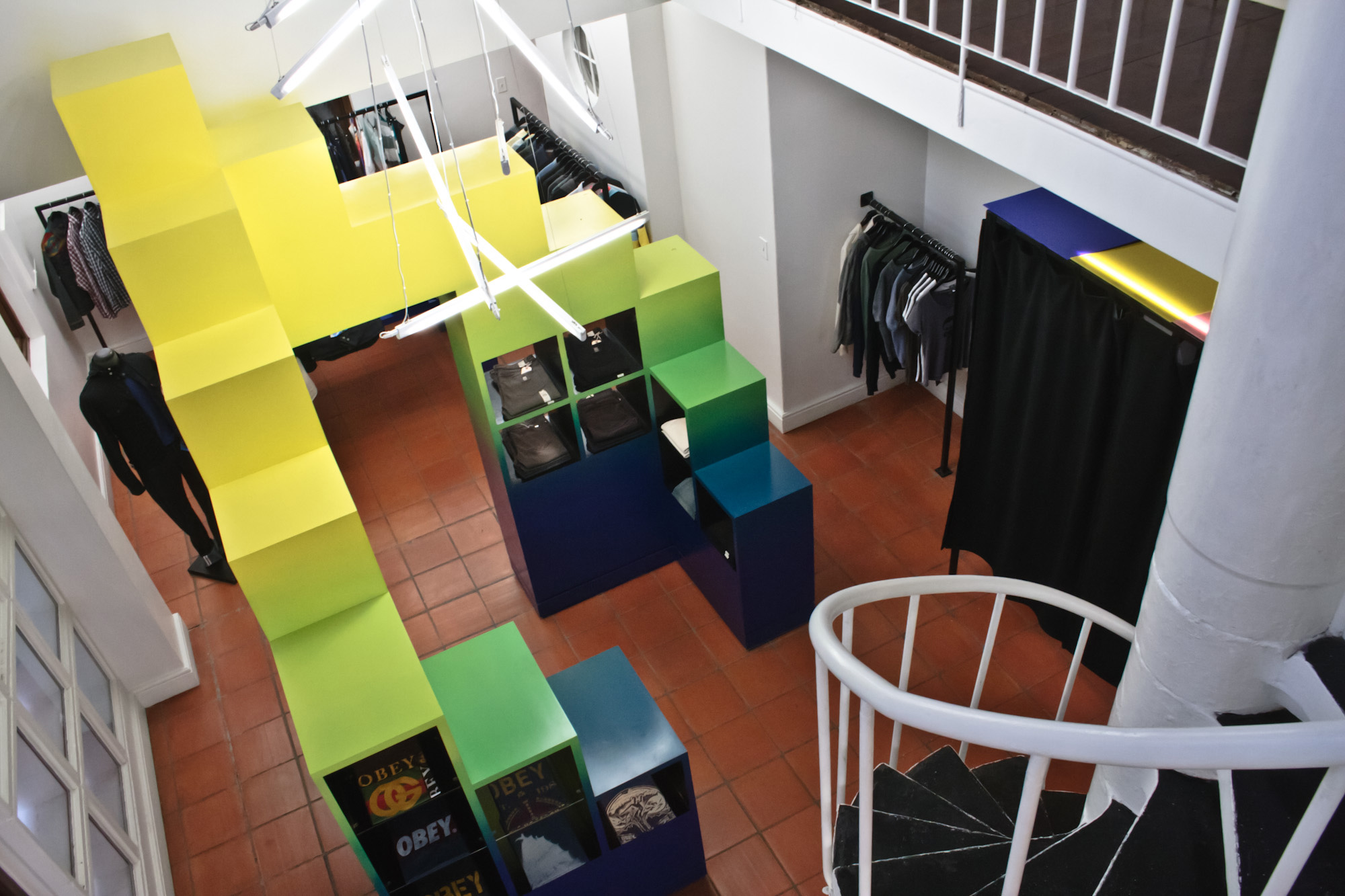
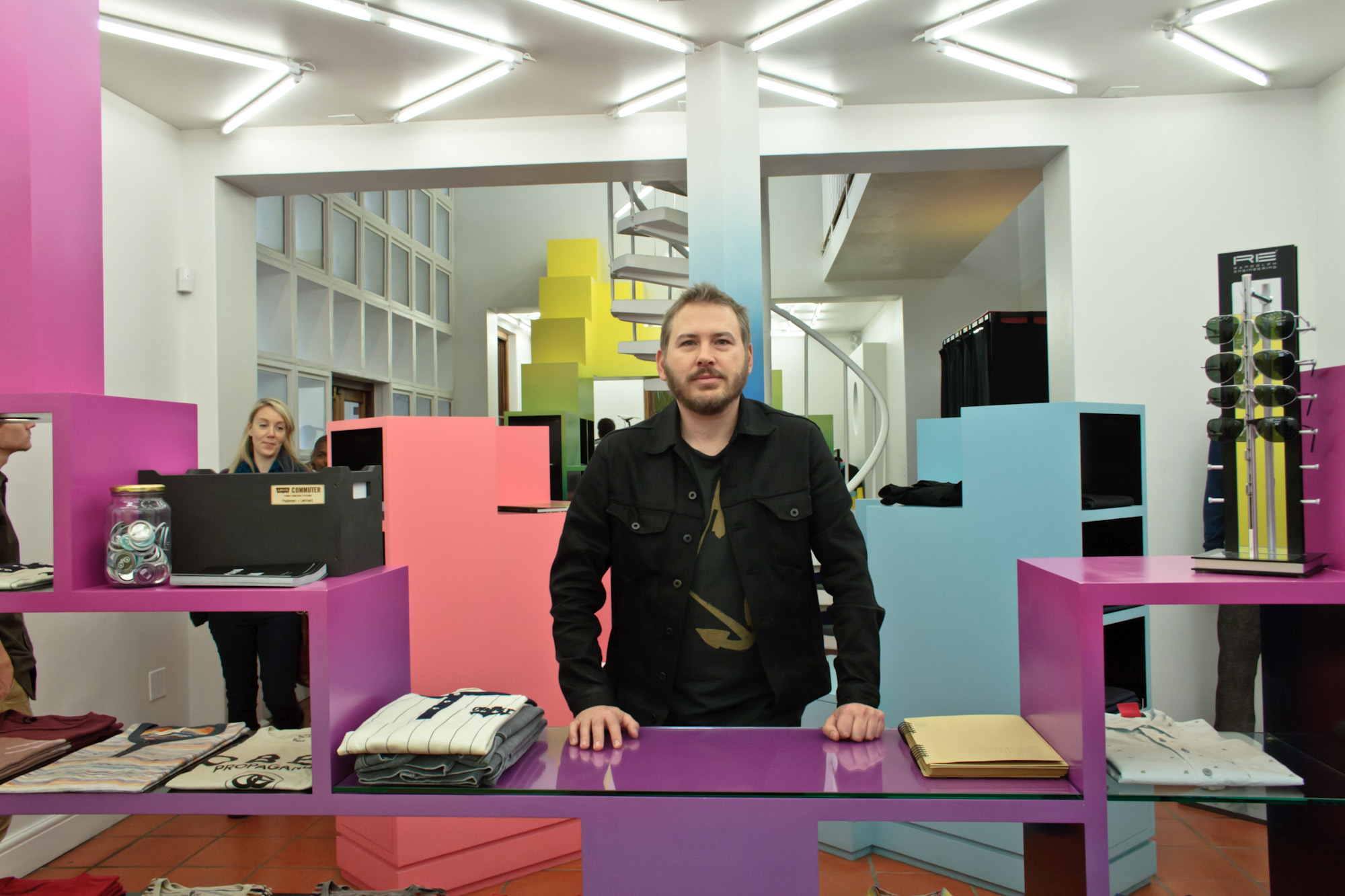
Bright colours and bright lights form the backdrop for this city chic store, whose sought after local and international brands for men have made it a popular port of call for the trendy set in the Mother City.
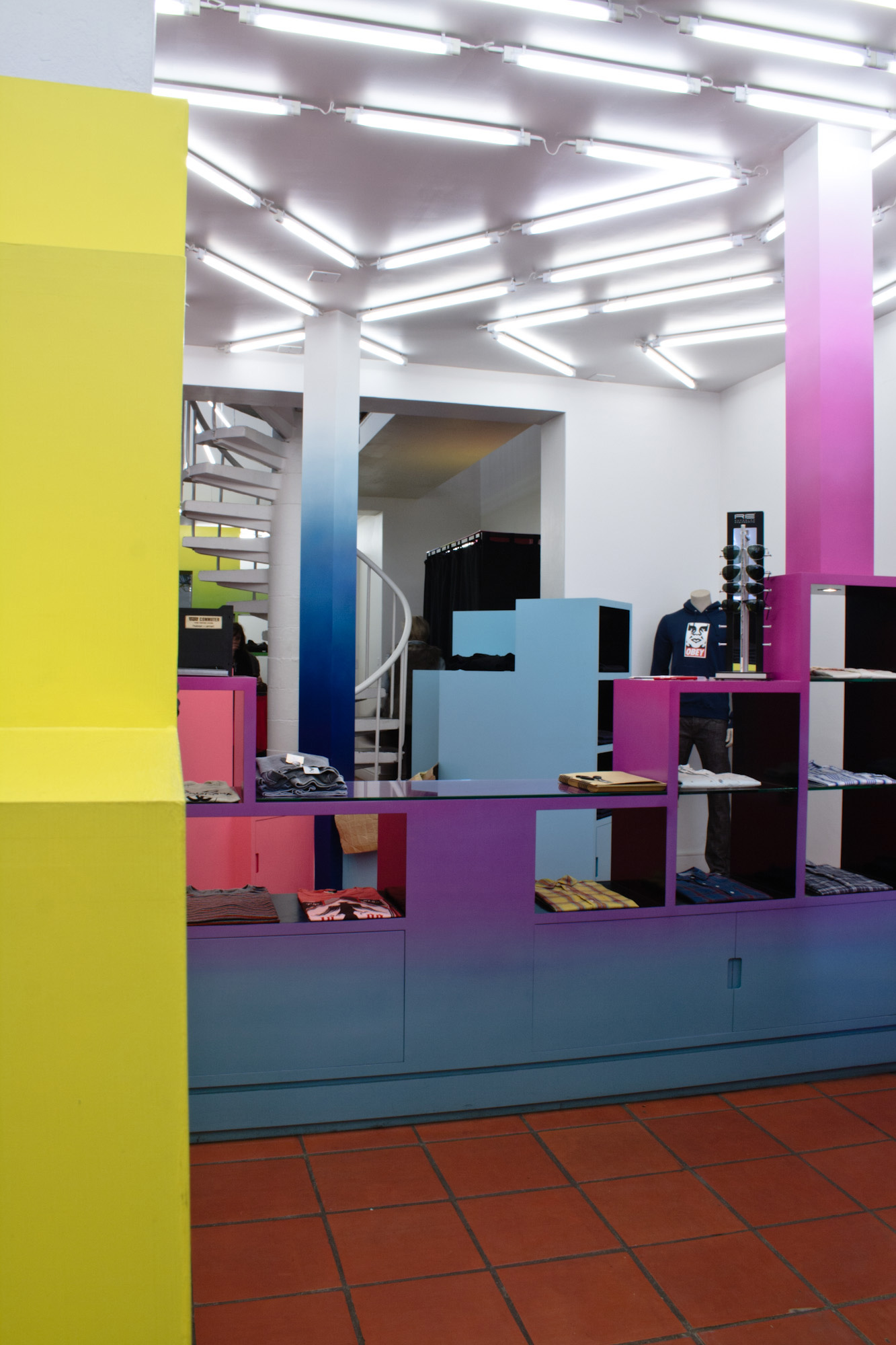
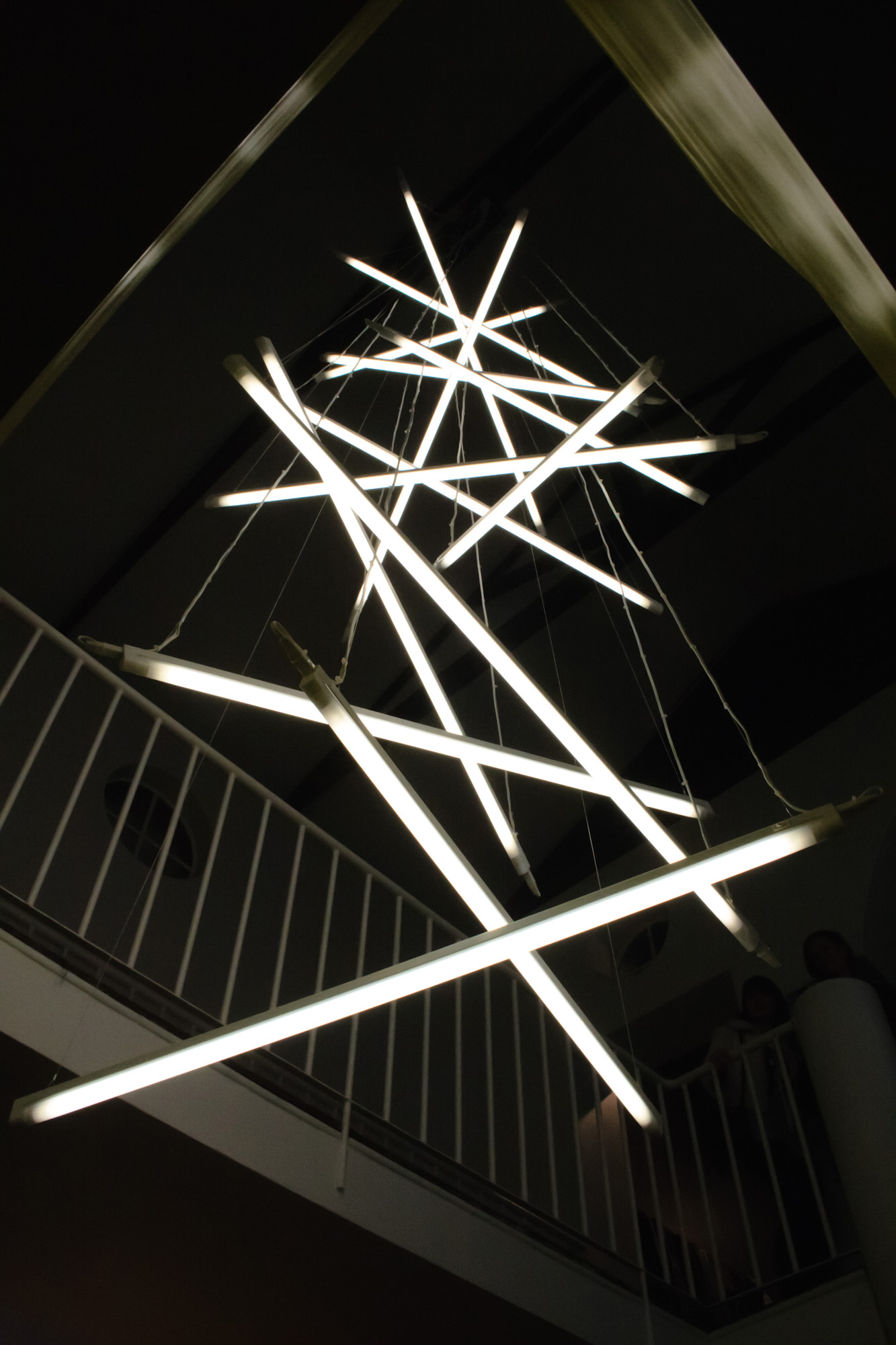
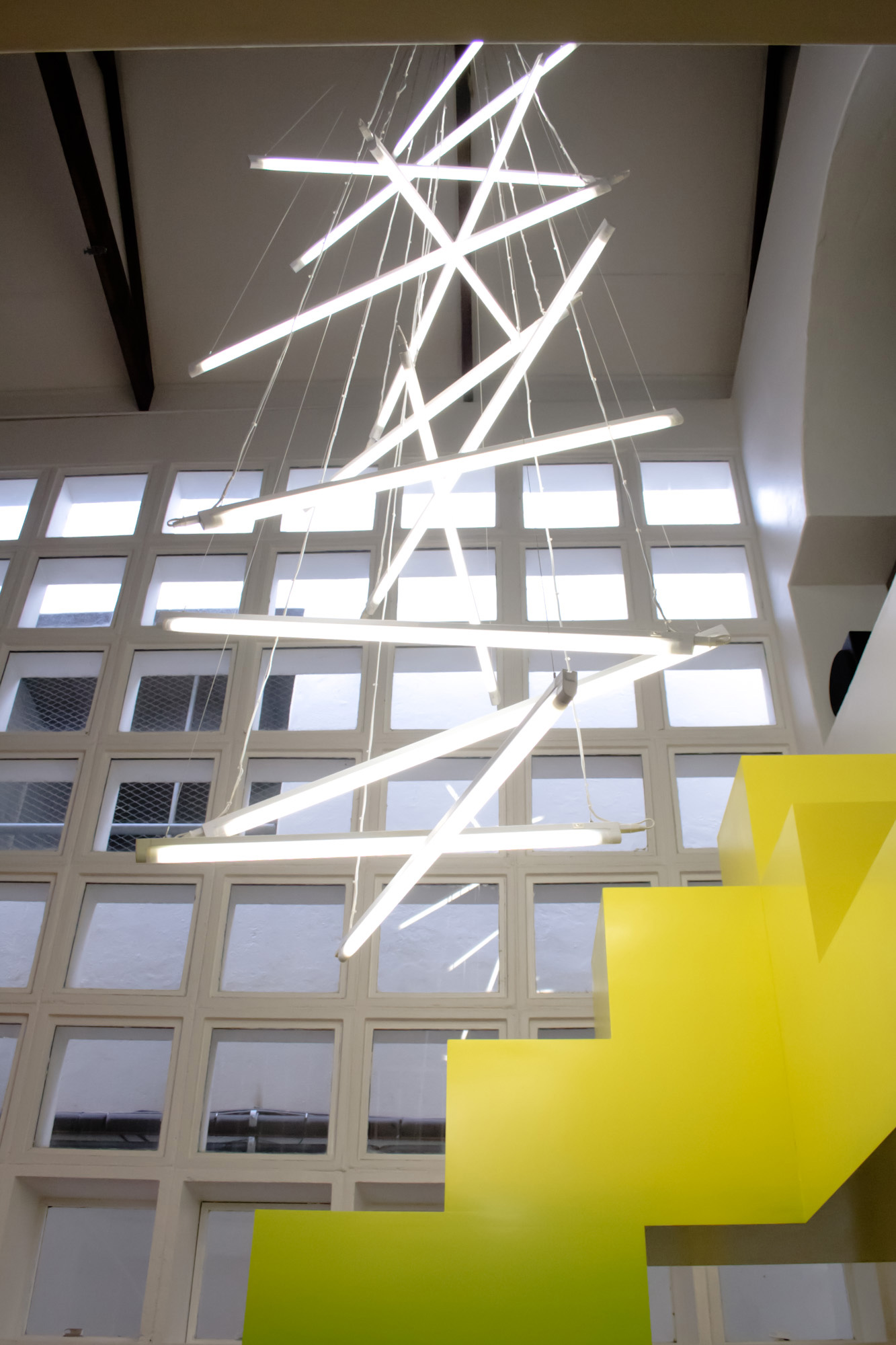
Perhaps the cleverest design material used in the space are the LED strip lights, which form a race track of luminescence on the roof. The cost-effective and environmentally friendly lights have also been suspended from the ceiling of the double volume space to create a chandelier that mirrors some of the other industrial aesthetics in the store.
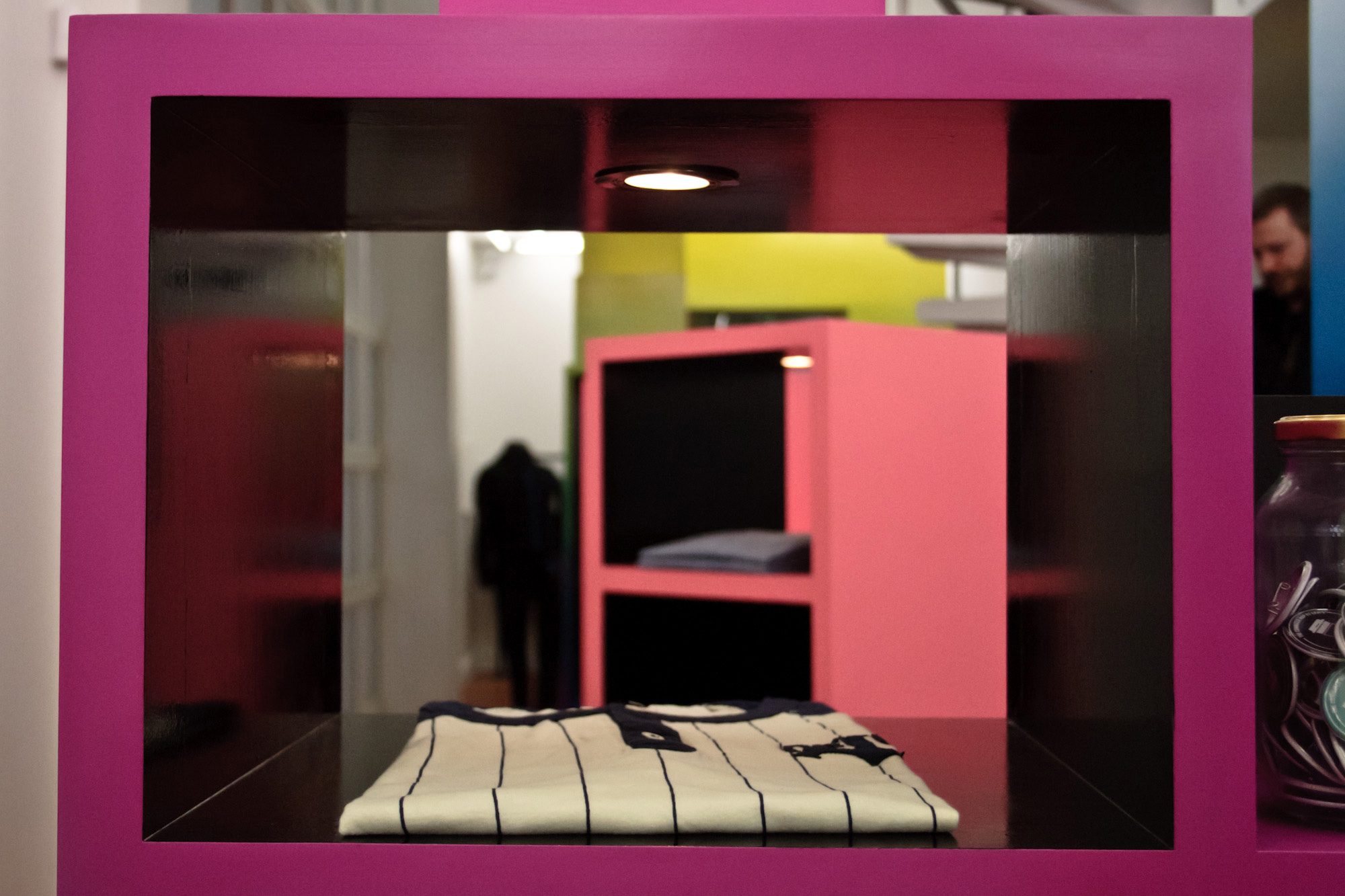
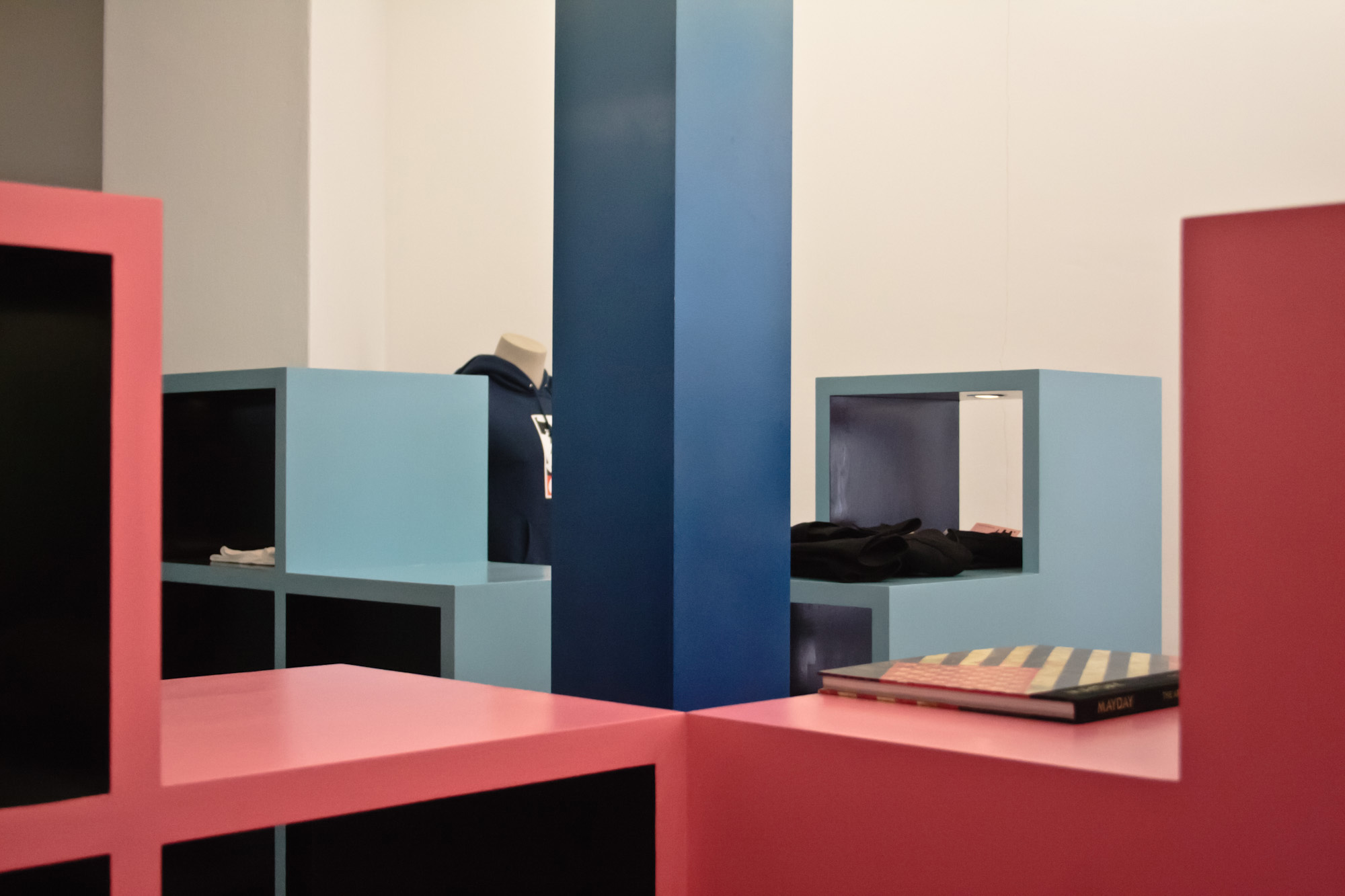
The owner, Sean Shuter, along with his business partner Jason Storey and their architect Rafael de Cardenas, have cleverly employed the use of vibrant laquers to create pyramids of colourful boxes where clothing is displayed. This contemporary use of colour and material is effectively juxtaposed with a terracotta tiled flooring and a whole wall of windows which allow an abundance of natural light to stream in.
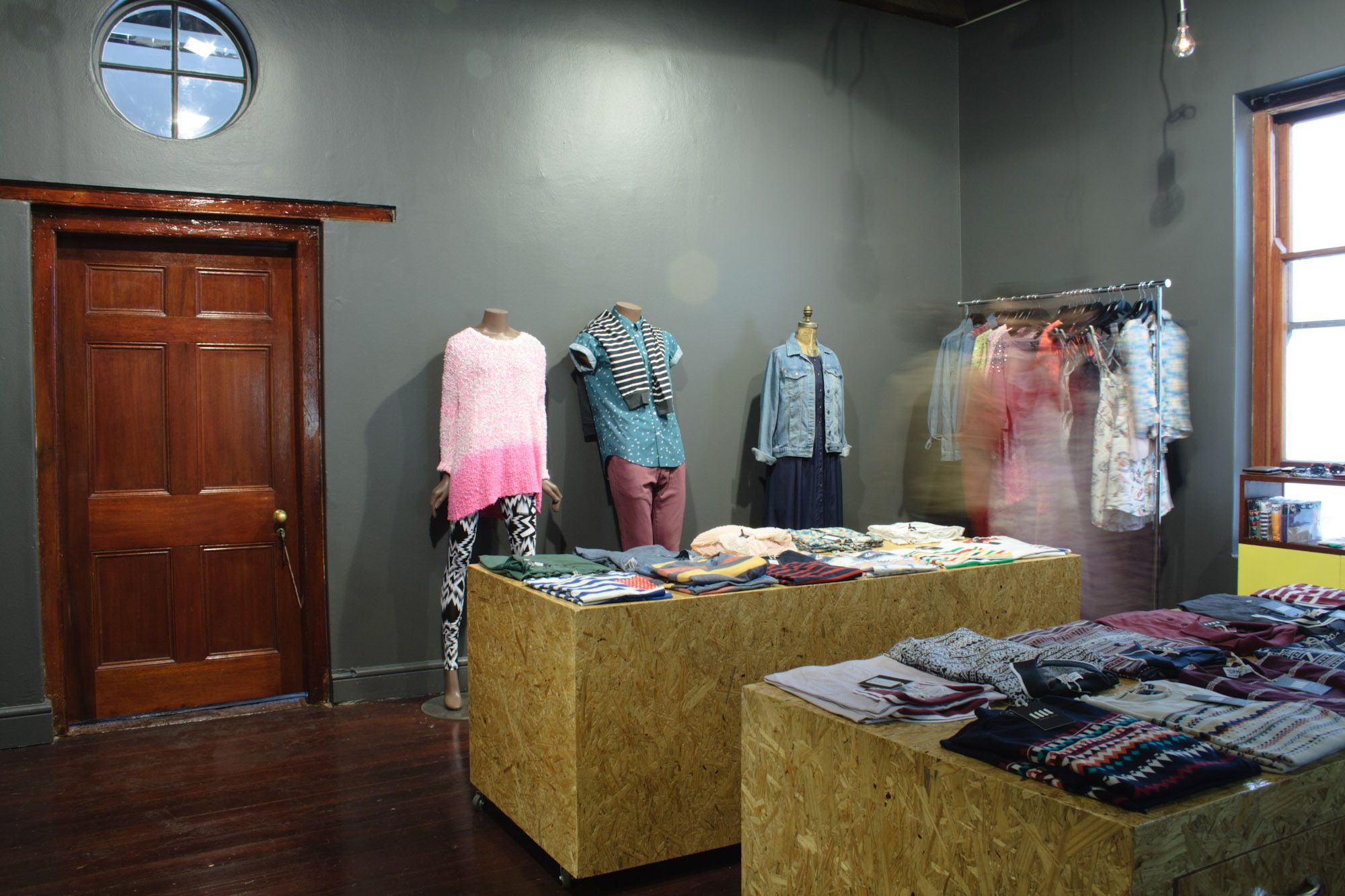
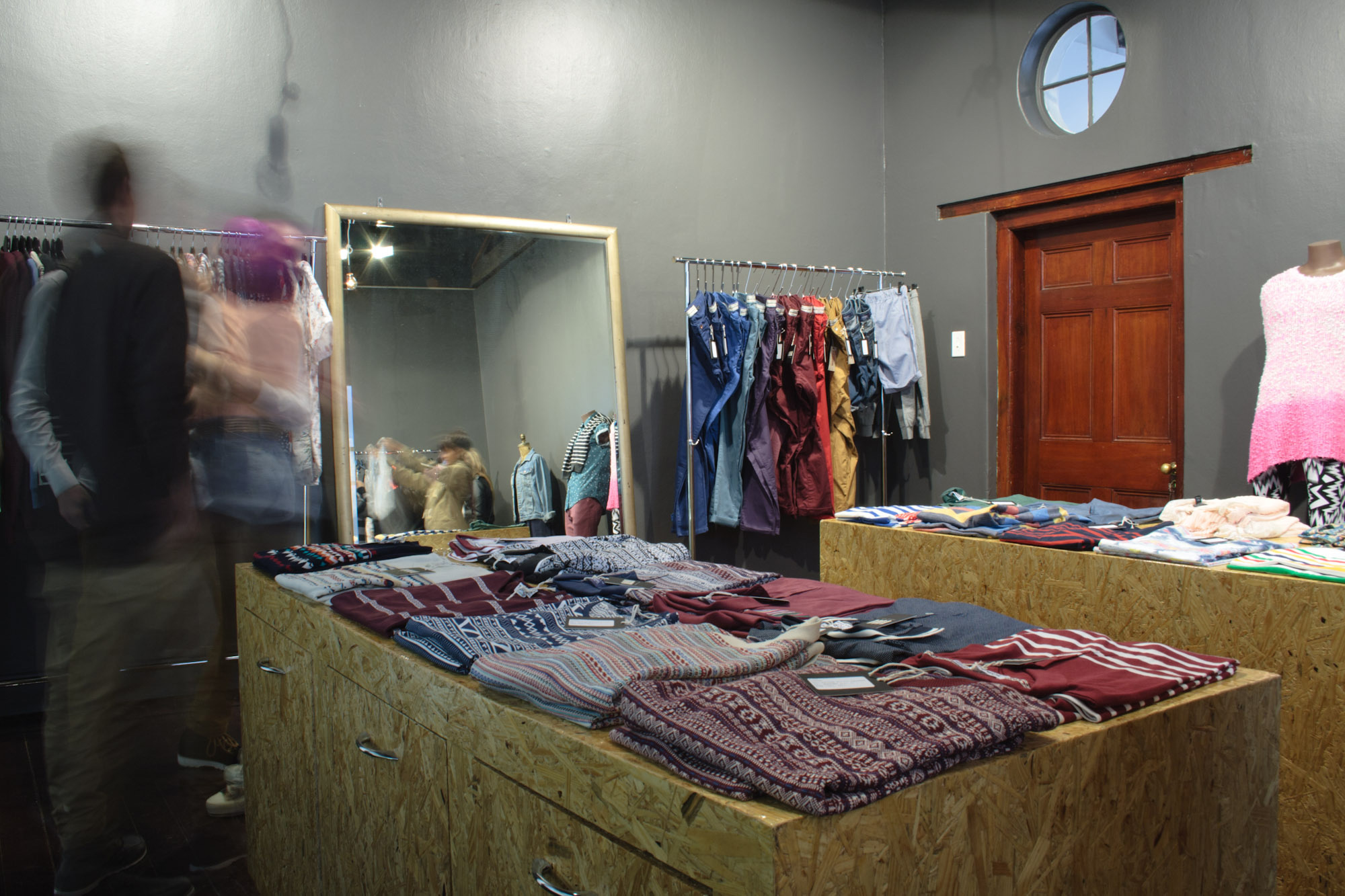
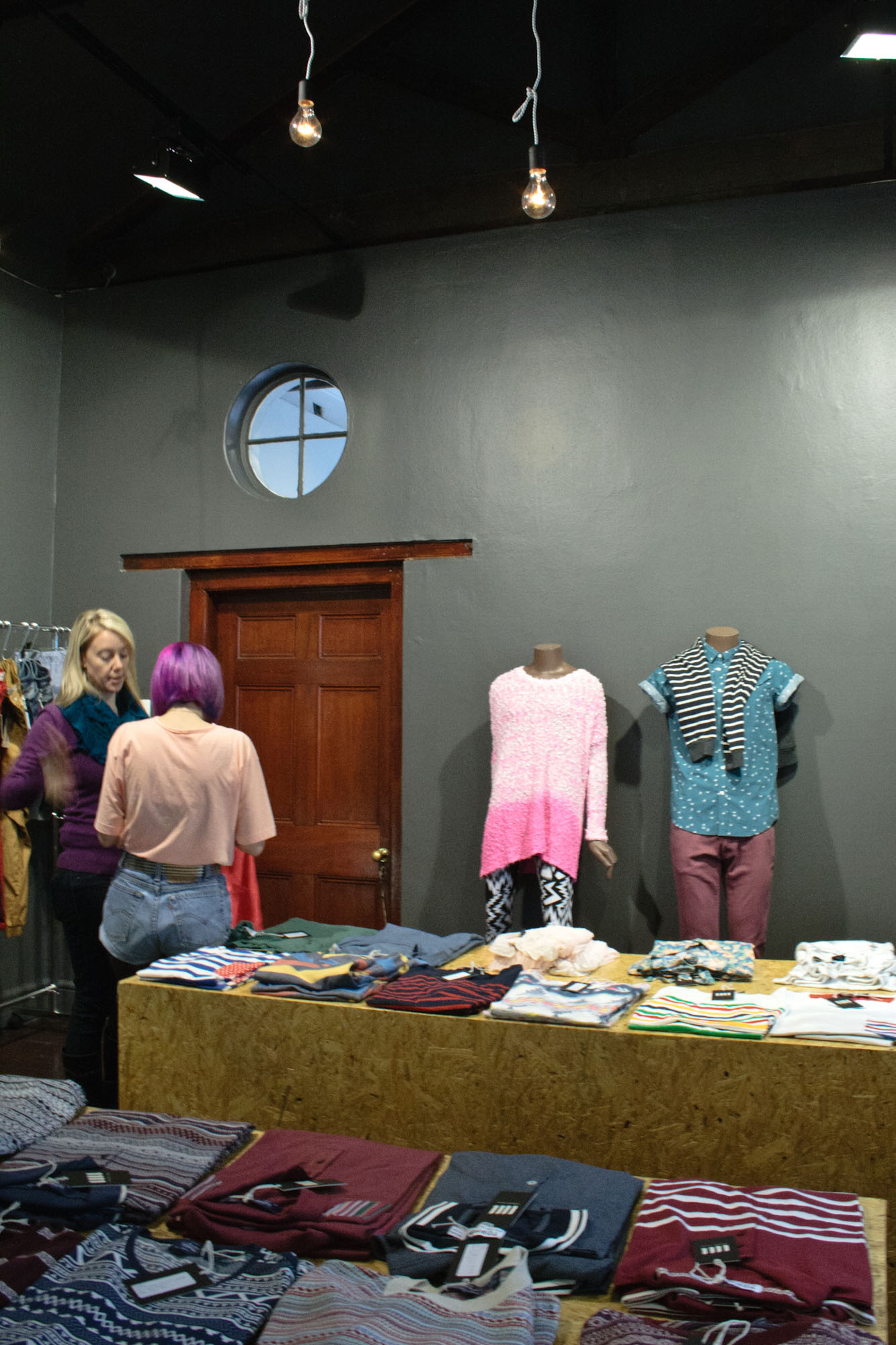
The streetwear element of the space downstairs takes on a slightly more sophisticated look as you reach the top of the narrow spiral staircase. On the second storey wooden floors, exposed round light
bulbs and a large framed mirror set the scene for the store’s exciting new offering of Topman and Topshop clothing.
We chatted to Sean to find out more about his store.
VISI: How long have you been in business? And in your current space?
Sean: Unknown Union opened in Cape Town on March 23rd, 2011. This is our flagship boutique, though we do have plans to open in Johannesburg in the near future.
Why did you open Unknown Union?
My business partner, Jason Storey, and I love the city and felt we had something unique to offer to Cape Town’s vibrant fashion and retail scene. There are so many great designers and brands whose products are unavailable here that we felt Capetonians would love. As well as introducing international brands that we carry exclusively at Unknown Union, our primary goal is to expand our own signature collection. We aim to produce all of our collection in Africa and retail it at Unknown Union as well as wholesaling it worldwide.
What was the space used as before you bought it?
It was a midcentury modern antique store called Eddie Zoom.
Did you design the space yourself?
No, I supervised the build out here on the ground, but the space was designed by the amazing Rafael de Cardenas of Architecture At Large (www.architectureatlarge.com)
Was the shop’s interior inspired by anything in particular?
We wanted something bright and playful, an antidote to the taxidermy and mahogany “gentlemen’s club” design vocabulary that’s been so prevalent in recent years. Rafael succeeded beyond our wildest dreams. I know Rafael was inspired by Mexican architect Luis Barragan in his choice of palette.
In your opinion, what are the key design considerations for a retail space?
The retail spaces I have been involved with, including BBS Tokyo (Tokyo) BBlessing (NYC) and Unknown Union, have all been highly concept driven and intended to enchant and intrigue the visitor. Being able to merchandise product effectively is of utmost importance, but I believe you can do this and still offer a unique design experience to your customers. From the miniature scale New York City under glass featuring graphic works on model trains and buildings by artists such as Futura 2000, Faile, Shepard Fairey and Ryan McGinness (http://www.youtube.com/watch?v=8eWgGf3jCss) to the chandelier made of crack pipes adorning the entrance of BBlessing (http://www.apartmenttherapy.com/bblessing-12004) , to the oversized brilliantly colored structures in UU, I believe in retail spaces that are an adventure in themselves, reward attention to detail and are not just about selling product.
And for a home space?
I’ve been living out of a suitcase for some time, but the most important things for me in a home space are natural light (after years of being deprived of it in NYC) a big kitchen and being surrounded by
the books and records I love.
Where did you source the raw materials, decor and furniture items in Unknown Union?
Everything in the boutique was custom built using mostly commonly available construction materials such as MDF and florescent lightbulbs. Using utilitarian materials in an elaborate and intriguing
manner is an integral part of the design and a hallmark of Rafael’s work. The hardest part was working with local tradesmen and contractors and trying to explain to them exactly how and why we would want to build things such as a 1 story high arch to display clothing, or why we would want to use 100s of cheap florescent fixtures in an extremely detailed and elaborate pattern to light the store. I remember a conversation with our electrician, who has been doing lighting for huge retail clients in South Africa for many years, where he literally told me that I was crazy – that the lights would be
blinding and our customers would need to wear sunglasses. One of the most gratifying moments for me during the build out was when, after weeks of work, we finally had the lights laid out and working the way we wanted. Our electrician looked up, said it was the most amazing project he’d ever worked on, then promptly laid down on the floor to take a picture of the lights with his phone.
How does this environment encapsulate or enhance the wares you sell?
The space makes a strong statement about light, color and fun. It’s a perfect complement to many of the brands we carry such as Warriors of Radness and OBEY.
And lastly, what do you think Cape Town’s title of World Design Capital 2014 will bring to the city?
World Design Capital 2014 will bring much deserved global attention to the thriving creative community here in Cape Town.