-

29 June is World Industrial Design Day : The Arivi Paraffin Stove, designed by Anastasios Calantzis and Frederick Kruger -

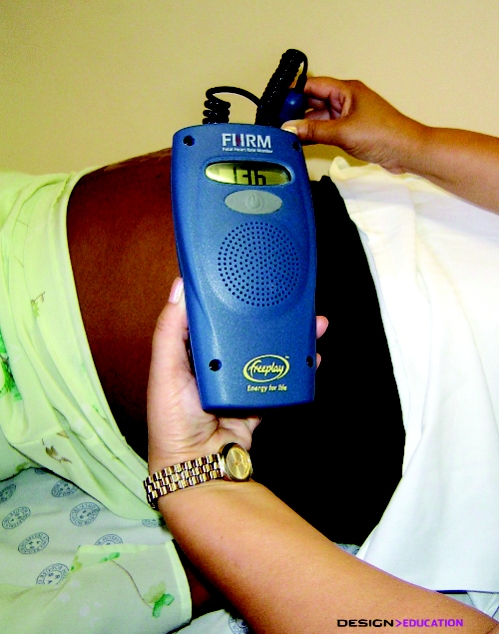
29 June is World Industrial Design Day : The Freeplay Fetal Heart Rate Monitor, designed by Philip Goodwin, Stefan Zwahlen, and John Hutchinson -

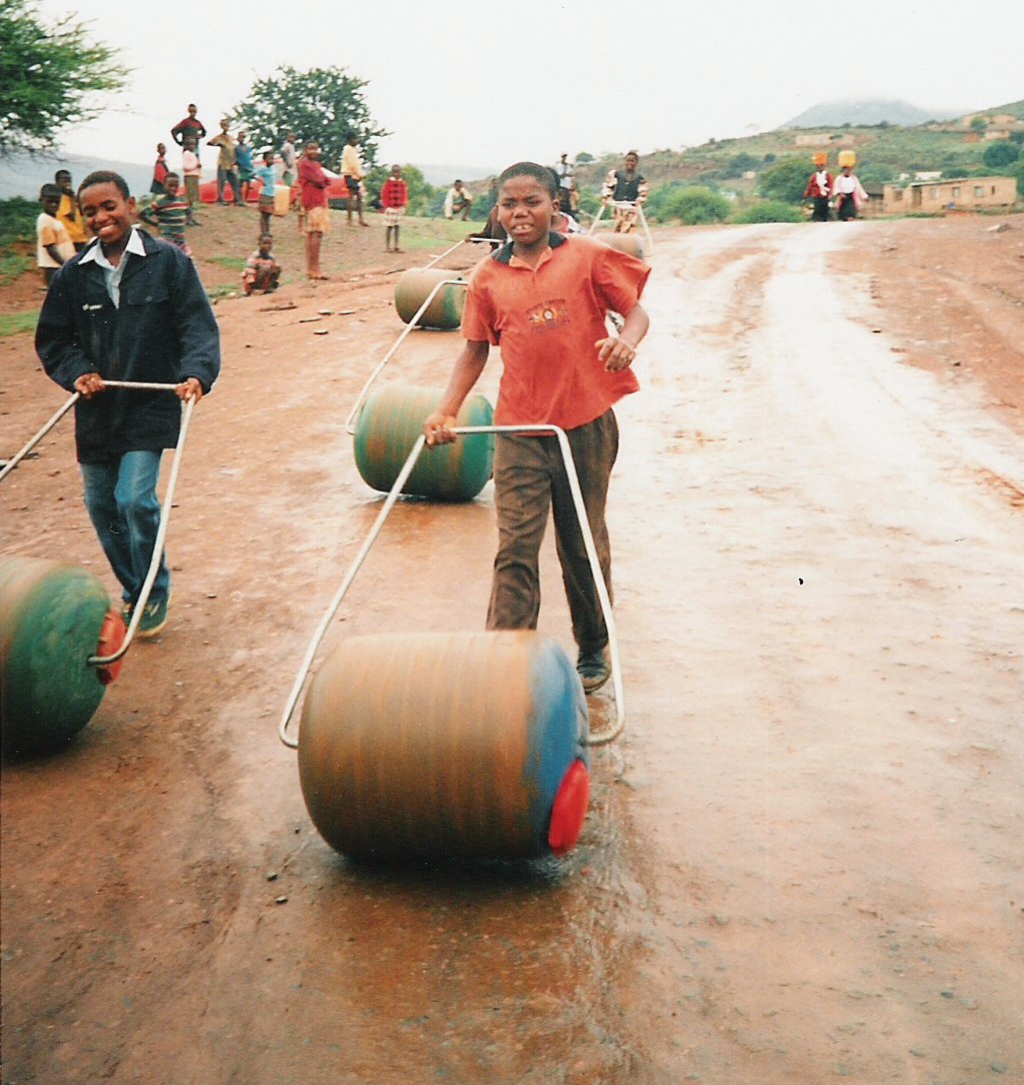
29 June is World Industrial Design Day : Hippo Water Roller, designed by by Pettie Petzer & Johan Jonker.

Today is World Industrial Design Day (WIDD), observed annually in recognition of the profession of industrial design. First declared in 2007 on the occasion of International Council of Society of Industrial Design’s 50th anniversary, World Industrial Design Day has been established with the aim of promoting awareness of the profession of industrial design, highlighting the contribution designers and academics have made to the discipline and facilitating collaborations that help improve economic, social, cultural and environmental quality of life throughout the world.
In light of this, we thought we’d showcase three original South African designs identified by the Eco Design Initiative. Says Janine Johnston, CEO of Eco Design Initiative: “Design is first and foremost about solving problems and improving lives. Designers play a responsible and vital role in the progression of sustainable environments and lifestyles for all South Africans and the world. I believe that designers form the natural link between consumers and the production value chain and are key role players in job creation, adding market competitiveness and environmental development of natural resources as well as spaces for people to live, work, play and interact in.”
The Eco Design Initiative aims to forefront the vital contribution that industrial design has played in improving our society on an economic, sustainable and environmental front. These three designs have undoubtedly improved the lives of many and contributed to our design heritage.
Hippo Water Roller
The Hippo Water Roller is a barrel-shaped container that can transport 90 litres of water with ease in areas where water is a hard-won commodity. This was designed by Pettie Petzer & Johan Jonker.
Design specifications:
• 90kg weight of water placed inside the “wheel” rests on the ground resulting in an effective weight of just 10kg on level ground
• Steel handle provides firm control and the drum designed to withstand typical rural conditions such as uneven footpaths, rocks and even broken bottles
• Sealed lid ensures hygienic storage of water and the mouth allows easy filling, dispensing and cleaning of the interior.
The Freeplay Fetal Heart Rate Monitor
The Freeplay Fetal Heart Rate Monitor, designed by Philip Goodwin, Stefan Zwahlen, and John Hutchinson, is a human powered device that monitors an unborn child’s heart rate during labour and thus can help healthcare. During childbirth, should the child not get enough oxygen in the mother’s placenta, the infant heart rate slows down to lower the need for oxygen. Without basic equipment the infant’s heart rate cannot be monitored during childbirth. For most mothers and infants this can be the difference between life and death.
The Arivi Paraffin Stove
The Arivi Paraffin Stove designed by Anastasios Calantzis and Frederick Kruger was designed for low-income households as a safe, efficient and clean-burning source of fuel that avoids shack fires. It drastically reduces the dangers and respiratory ailments, particularly among children.
Design specifications:
• Shut-off mechanism immediately snuffs the flame as soon as the Arivi stove tilts – even in less than 45°C
• Double-insulating wall helps efficiency and prevents internal heat of up to 650°C, from causing a fire
• Explosion-prevention response prevents paraffin leakage and can withstand high impact
To view examples of the 2011-2012 winning designs, Durban is hosting an exhibition at The Green Hub from the 18 July to 31 August. The 2012-2013 entry forms will be available from 2 July 2012 on www.nokak.com.