-

SA Fresh Talent Competition -

SA Fresh Talent Competition -
SA Fresh Talent Competition
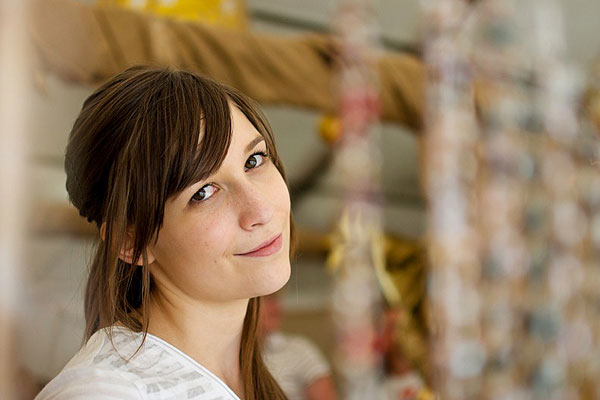
Six promising young South Africans are heading for Sweden where their designs will be exhibited in an interactive, multimedia production, which opens at the Form/Design Centre in Malmö on 14 June.
This marks one of the final stages of the annual Fresh Talent competition, hosted by the Eco Design Initiative in South Africa. Every year young people are invited to design sustainable solutions for a range of challenges faced by people and the environment.
The 2011-2012 Fresh Talent Competition winners are, Gabriele Birkenmayer for Shoots –A Grassroots Bamboo Project (first place), Wayde Dyers for his Vermiculture Growth System (second place), and Marieke Adams for the Ikghuphu Sleeve (third place).
This year the Fresh Talent competition was titled Home is where the Heart is and designers were called to submit sustainable and innovative concepts under this theme. Submissions could span various contemporary design fields from product, communication and surface design (wall, floor or any other surfaces) to systems, services and interactive design as well as large-scale systematic design.
AWARD WINNERS 2011-2012
1st: Gabriele Birkenmeyer
Shoots – a grassroots bamboo project
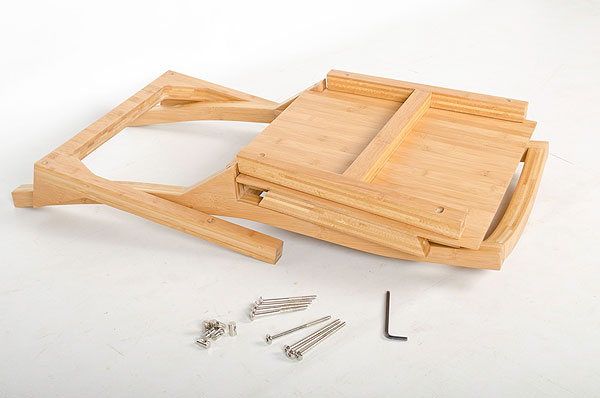
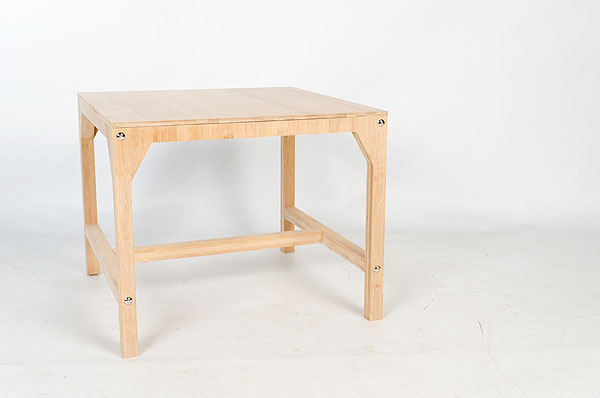
“Shoots” is a full-cycle approach to sustainability that produces well-designed, good quality consumer products – furniture in particular – while addressing unemployment in South Africa and caring for the environment.
Shoots aims to involve rural communities in the planting and farming of bamboo in areas that require rehabilitation, such as those affected by soil erosion or water pollution. Bamboo is known to enrich and stabilise soil and is also a highly sustainable plant, reaching maturity in 5 – 6 years.
The rural communities responsible for growing these ‘plantations’ will be trained in harvesting the plants, converting it into laminated or strand woven boards and converting these boards into self-assemble furniture which will ‘last a lifetime’ – in terms of both material durability and non-conformity to any fashion trends.
2nd: Wayde Dyers
Vermiculture Growth System
The Vermiculture Growth System is a compact composting and rain harvesting system that utilizes the benefits of worms – nature’s own recyclers, to convert food waste into nutrient rich, 100% organic fertilizer while harnessing the benefits of rain water to feed plants in home, vegetable and potted gardens.
The Vermiculture Growth System is easy to use and versatile. The unit, which is compact enough to fit on a balcony, in a shed or shaded outdoor location, is made from 70% recycled plastic.
The System consists of five trays and a water catchment. The composting worms, Red Wigglers, start off in the first working tray and they simply eat their way up, “wriggling” into the working trays above, where they can detect the food scraps. Along the way, the worms produce castings (manure) – also known as “black gold”; trays of which can be removed, diluted and hydrated using the water collected in the system’s rain harvester for plant nourishment.
The cycle is never ending.
3rd: Marieke Adams
Ikghuphu Sleeve
Ikghuphu is a series of laptop sleeves made from wetsuit factory waste. It draws inspiration from the Ndebele’s abstract patterns decorating clay walls, translating the colours and patterns into a multi-dimensional tactile textile that provides protective cushioning for the product inside.
Made using neoprene offcuts and traditional hand crafting techniques this design combines influences of traditional and contemporary homes, in both function and material.
The traditional stitch and craft techniques used in the production of Ikghuphu Sleeves create opportunities for skills development, job creation and economic empowerment. Using “waste” materials reduces the environmental impact and significantly reduces the material costs of production.
More info: www.nokak.com