-

The Office People Choose -

The Office People Choose -
The Office People Choose -
The Office People Choose -
The Office People Choose -
The Office People Choose -
The Office People Choose -
The Office People Choose
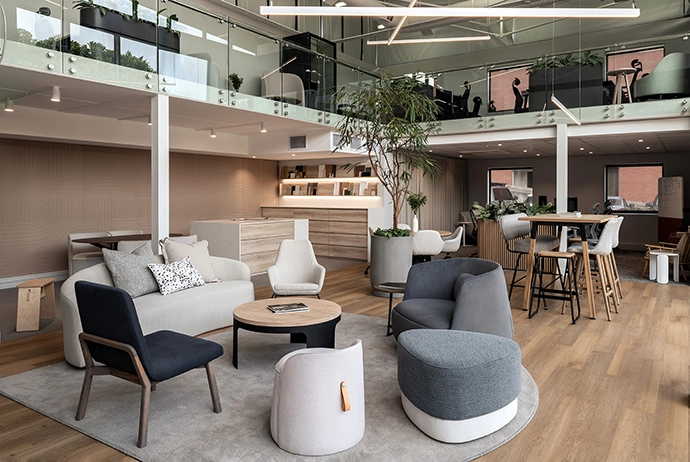
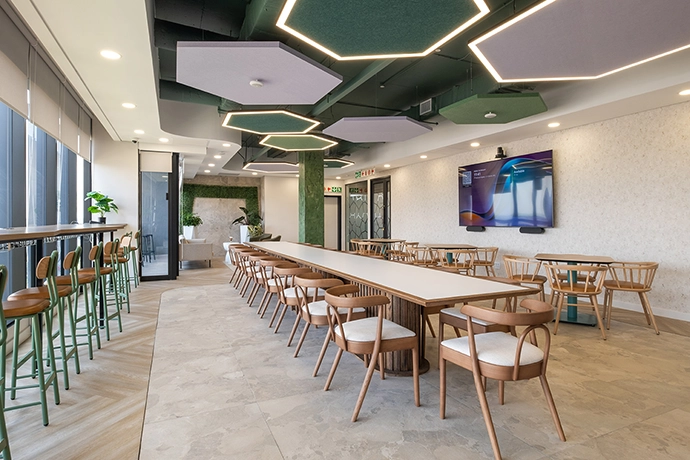
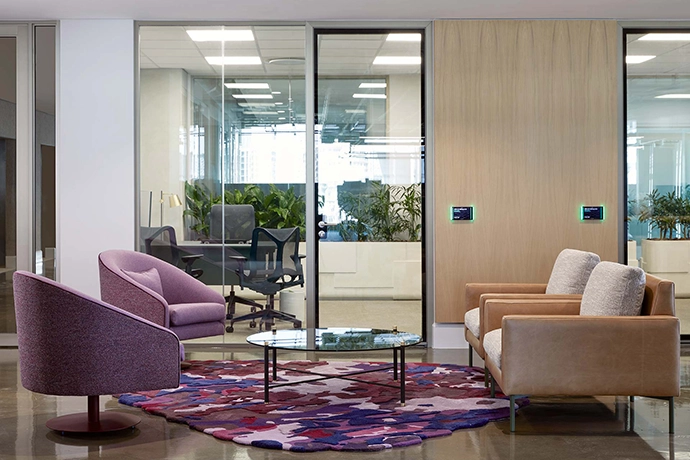
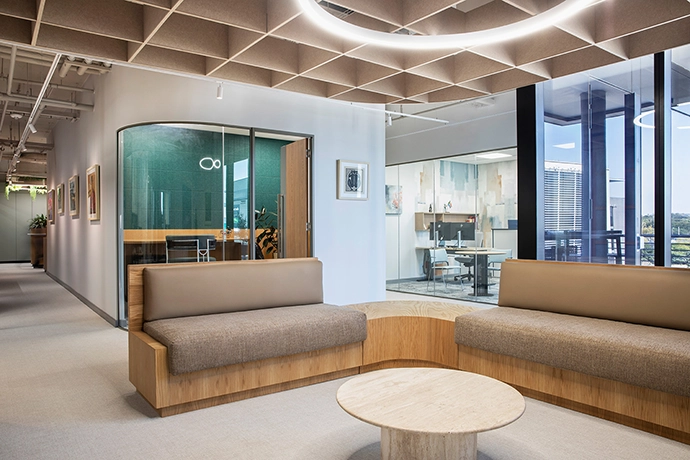
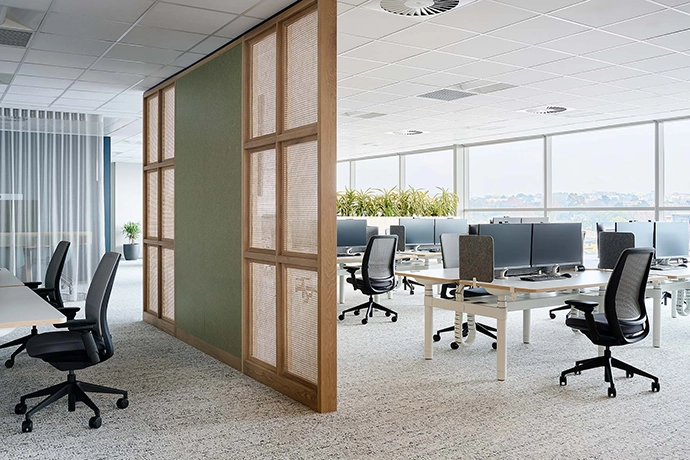
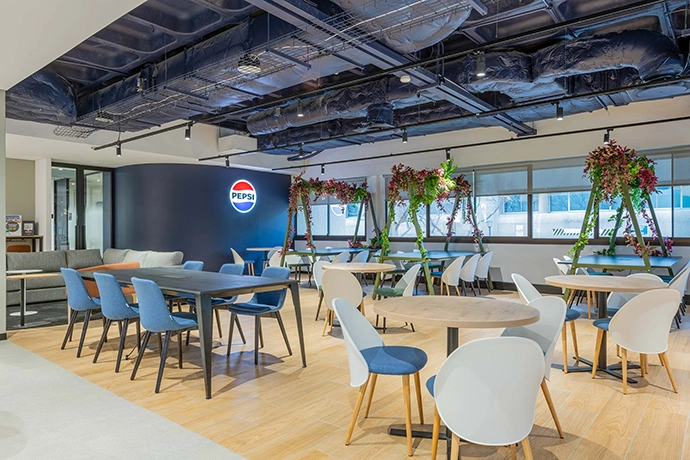
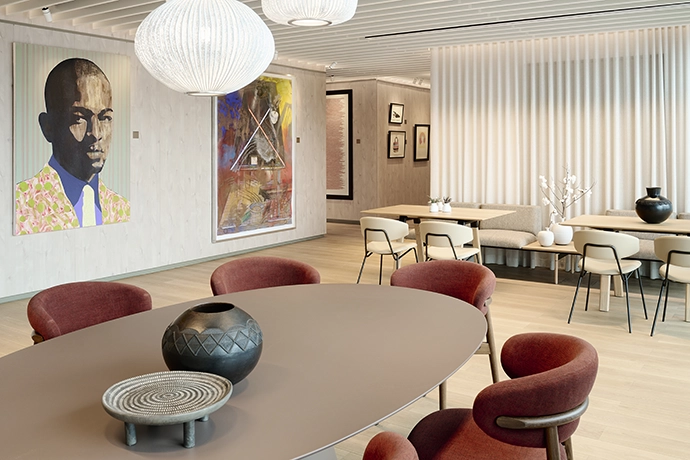
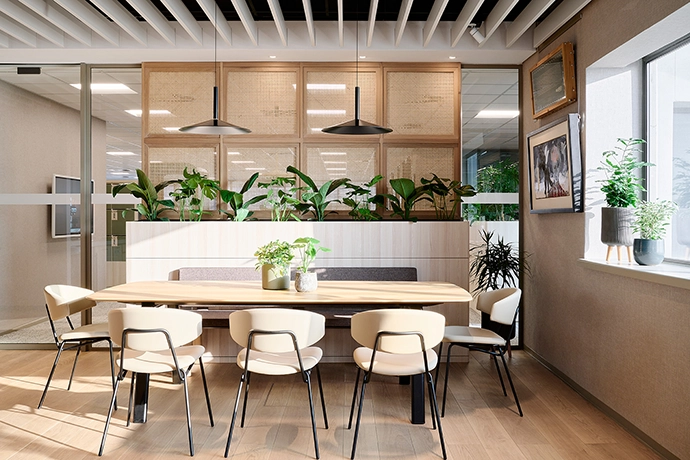
In a hybrid world, no one comes to the office simply because they’re expected to. The workplaces that draw people back feel less like places to work and more like places to belong.
If you consider the last workspace you genuinely enjoyed being in, it was unlikely to be due to the square metres or the furniture specification. More memorable is how the light moved across your desk, or the quiet corner you claimed for focused work. Perhaps it was the warmth of the timber surface – or a conversation by the coffee machine that sparked a great idea.
For decades, offices were designed for efficiency. They maximised occupancy and standardised the way people worked, and employees came because that was where work happened. Hybrid working has changed that. The question is no longer where people work, but why they would choose to work here.
The answer isn’t bigger or more lavish interiors, but offices that are built for their people.
A language of care
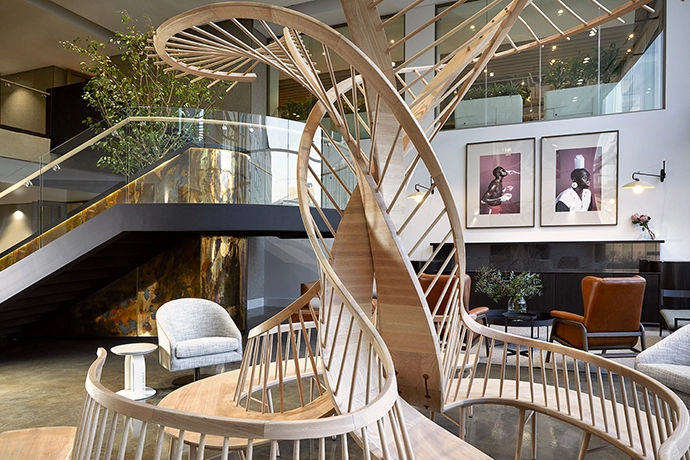
Every material and finish says something about the organisation behind it. Natural timber, responsibly sourced materials and durable, well-crafted finishes show that a business is choosing to invest for the long term.
This is where sustainability moves beyond compliance. It starts with the first design decisions: orientation, natural light, energy use, materials chosen to last and spaces planned to evolve. Handled this way, sustainability becomes a quiet signal that someone is thinking about tomorrow.
Culture you can feel
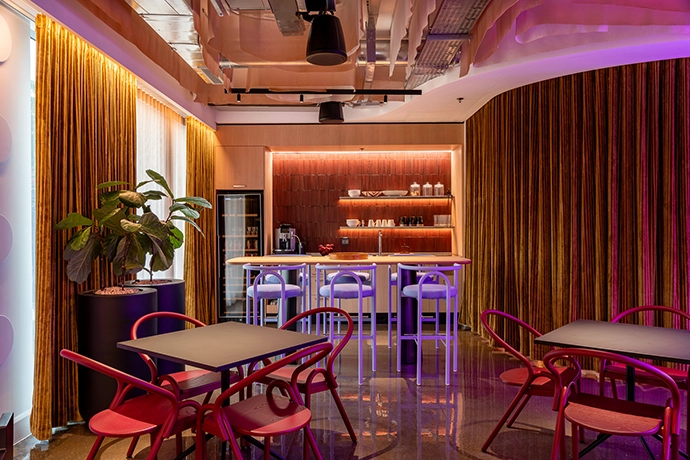
Values framed on a reception wall rarely tell the full story. People experience culture through the spaces they move through every day: how teams gather, how visible leadership is, and the balance between openness and privacy.
The strongest workplaces express identity through colour, materiality and spatial flow rather than logos and slogans. A branded office tells people what an organisation wants to be. An authentic one reflects what it actually is, and people recognise the difference. When a space genuinely reflects who a company is, it becomes somewhere people identify with, not just somewhere they work.
Together and apart
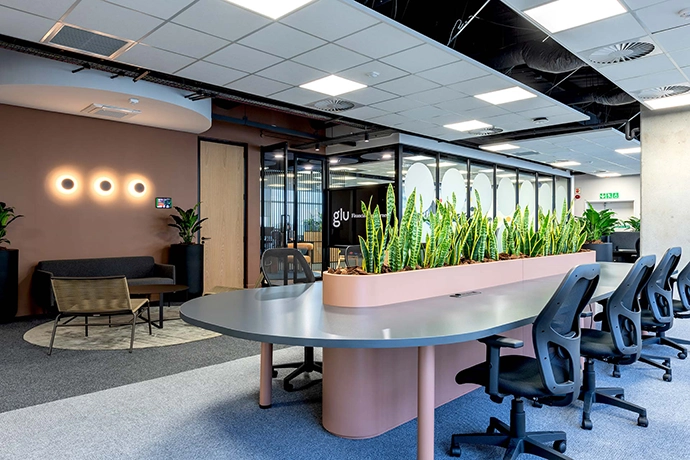
No single space can serve every way of working, and it shouldn’t try. Over a day, people move from deep concentration to collaboration, and from confidential conversations to simply stepping away. Human-centric design offers the right setting for each of these: collaborative hubs, quiet focus rooms, informal lounges and private spaces, along with the freedom to choose between them. Collaboration and solitude are not competing priorities. They complement each other, and when both are supported, connection can happen naturally.
Nature also plays an important role. Daylight, greenery, natural textures and good acoustics are not decorative extras. They show that someone designed the space with people in mind.
The office that disappears
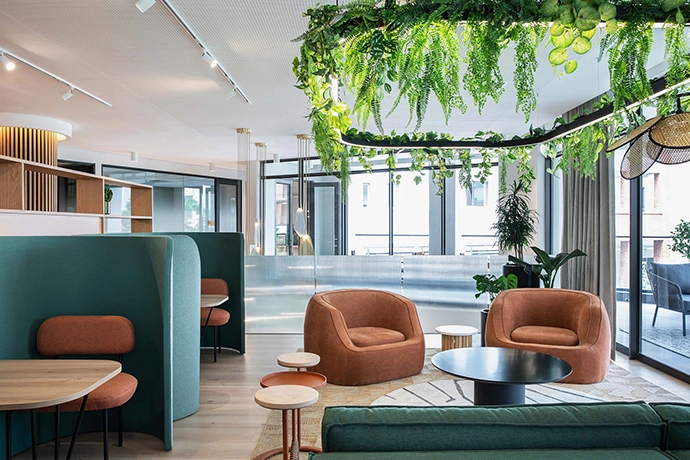
Perhaps the truest mark of great workplace design is its subtle impression. People simply find it easier to focus, move naturally through the space and do their best work, without an environment working against them.
Delivering that ease takes a particular kind of expertise. Trend Group is an office interior design-and-build specialist with studios in Cape Town, Johannesburg, Durban, London, Dubai and Cairo. It brings concept and delivery together, whether as a complete Design and Build solution or in partnership with an external design team. Either way, clients have one accountable team from the first conversation to final handover.
The best workplaces don’t compete with home by being more luxurious – they compete by being more human. Their success isn’t measured in photographs or awards. It shows on an ordinary Tuesday morning, when people are absorbed in meaningful work, at ease in the space around them, and genuinely want to stay. | trendgroup.co.za