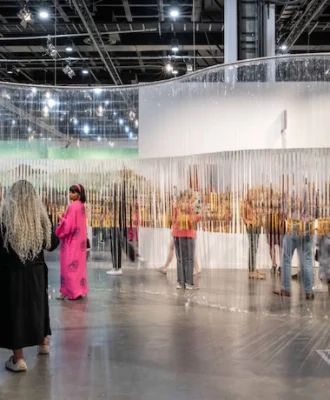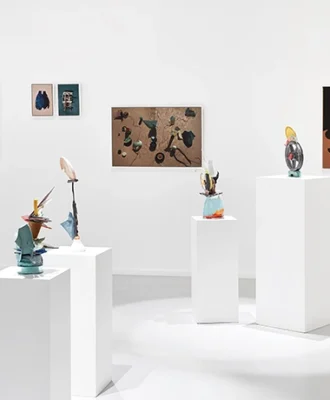
In a VISI exclusive, we explore Making Space, the Nando’s Creative Exchange (NCX) exhibition at HUB Gallery – and speak to one of this year’s participating artists, Fleur De Bondt, about the programme.
WORDS Gina Dionisio PHOTOS Supplied
Nando’s Creative Exchange (NCX) is the flagship artist development programme within the Nando’s Art Initiative, delivered in partnership with Spier Arts Trust. It recognises emerging fine artists from Southern Africa who demonstrate exceptional talent, providing the support they need to take the next steps in their careers.
Now in its 14th year, the programme continues to provide artists with mentorship, materials and exhibition platforms that help turn creative potential into sustainable careers. The latest exhibition, Making Space — which runs from 6 November 2025 to 20 January 2026 at HUB Gallery — features artworks by Debbie Field, Mduduzi Twala, Sello Letswalo and Fleur De Bondt. Guided by mentor Emma Willemse, they’ve each contributed a cohesive body of work exploring identity, resilience and connection.
We spoke with artist Fleur De Bondt to find out more about her Nando’s Creative Exchange journey.
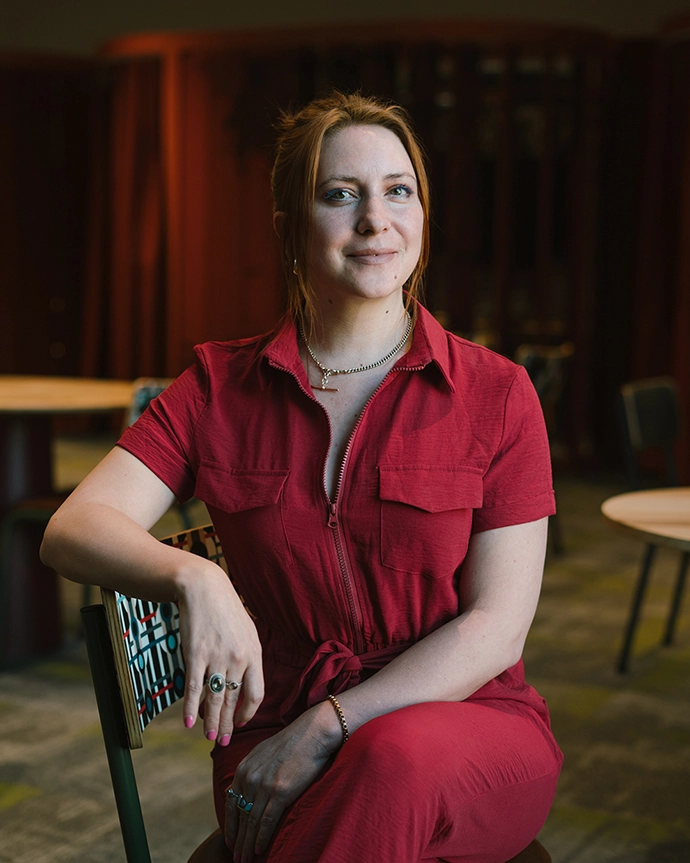
What motivated you to join the Nando’s Creative Exchange, and how has the experience shaped you creatively and professionally?
“I wanted the opportunity to be mentored because I deeply value the impact that guidance and support can have on an artist’s growth. The main reason was to receive support in my process and to be guided in a new direction.”
How did your mentorship with Emma Willemse influence your work and approach to this exhibition?
“Emma encouraged me to embrace change throughout the process. The work I produced for this exhibition reflects a clear transition and a visible degree of experimentation. Rather than urging me to create a strictly cohesive body of work, she supported my need to explore and evolve. Her guidance allowed me to experiment freely, ultimately leading to the development of the final pieces I presented. She was amazing, and I really enjoyed her style of mentorship. I am very grateful that I had the opportunity to work with her.”
What’s one insight or lesson from the NCX journey that will stay with you?
“Trust the process and keep going.”
Tell us about the body of work you’re presenting at House Union Block – what stories or ideas do you explore?
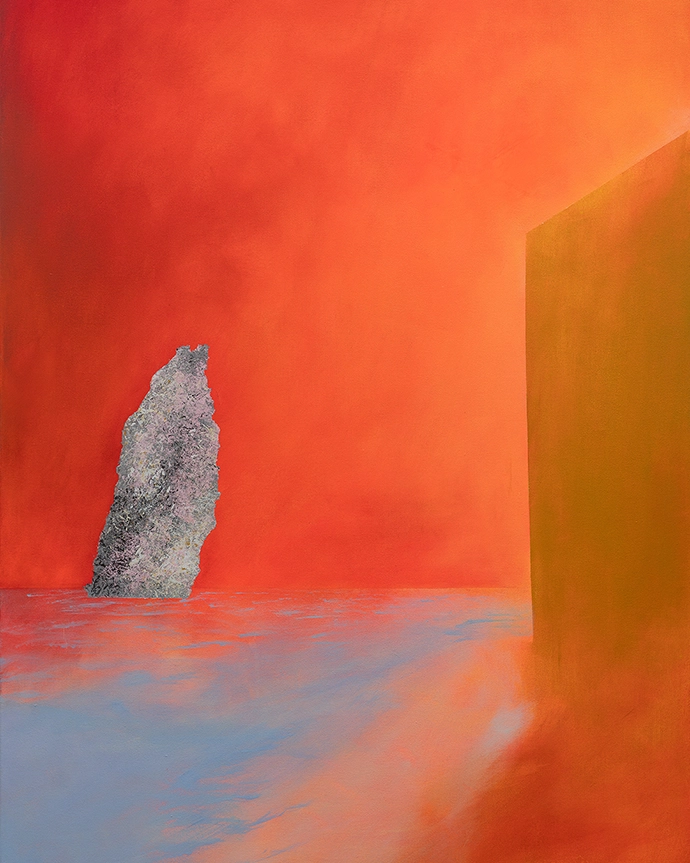
“I explore the vanishing and transformation of landscapes, particularly those altered by human influence. My work reflects on how greed and the relentless pursuit of power continue to reshape the earth, and often in ways that are irreversible. It is, in many ways, about loss: the quiet mourning of what once was. Yet, within that loss, I also look to the imagination as a form of refuge – a space where we can re-envision and rebuild, creating places of serenity and renewal amid the ruin.”
Did you experiment with any new materials, techniques or concepts in this collection?
“The concept is entirely new – so, yes, conceptually, very much so. I shifted from an internally driven approach to focusing on an external issue, one that I feel deeply helpless about. Once again, it became my way of processing something that, on a macro scale, is beyond my control.
“I also began working with soil and other materials sourced from the earth and mining, such as mica, iron oxide clay, calcium carbonate rock and calcium sulphate – some of which, through their extraction, carry a significant carbon footprint. Some materials were collected from poorly patched potholes (as Johannesburg is riddled with them) and from nearby nature reserves.
“Using these materials – each chosen with intention – I created what I call ‘sandscapes’, a form often dismissed as kitsch. I built a tank and formed images through the pouring and manipulation of layered sand, a process I had never attempted before. Many aspects of this work were completely new to me, and I pushed myself well beyond my comfort zone.
“For the imagery itself, I worked more from reference than ever before, using real photographs of planned obsolescence, industrial dumping, mining and chemical pollution.”
What do you hope visitors take away from your work?
“I hope this work serves as a visually compelling reflection of the state of things, not through the jarring and distressing imagery we are constantly bombarded with on social media and in the news, but through something softer and more aesthetic – through the narrative of art as a reflection of the times. I want it to spark conversation and awareness while offering a moment of visual calm. At the same time, I hope it reminds viewers that imagination remains our most beautiful and accessible form of power, a means to envision change and create something better, even when so much feels beyond our control.”
How has NCX helped you think differently about building a sustainable art career?
“I have learnt that I need to be fully focused and deeply dedicated to my practice, trusting that with persistence, things will work out. I recognise the importance of seeking input. I’ve discovered that I am capable of achieving far more than I often believe. By embracing a process of change, I can arrive where I need to be with my work. Equally, I understand the need to take full advantage of the opportunities presented to me – in this case, mentorship.”
Has the experience opened any new doors or opportunities for you yet?
“Not yet, but the team has ensured we’ve received publicity, which has definitely increased our online presence.”
Looking ahead, what’s next for you, and if you could sum up your NCX experience in one word or phrase, what would it be?
“I’m definitely excited to continue pursuing my new concepts and techniques. The experience has reinforced my unwavering commitment to my art practice.”
Spotlighting South African Talent
Making Space runs from 6 November 2025 – 20 January 2026 at HUB Gallery, Union House, in Cape Town. | nandoscreativity.co.za
Don’t forget to sign up to our weekly newsletter for the latest architecture and design news.